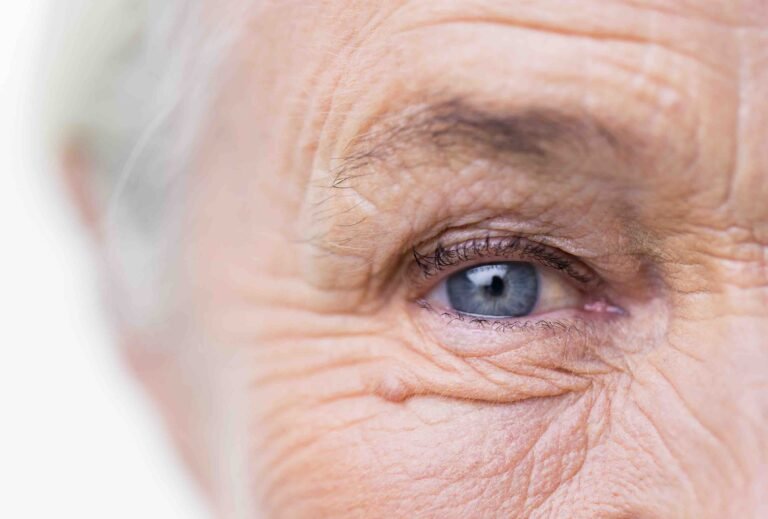
Can Glaucoma Cause Blindness
A common question many patients ask after receiving a glaucoma diagnosis is: can glaucoma cause blindness? It is a serious concern, and understanding the answer requires clear information about how this condition affects the eye.
Glaucoma is a group of eye diseases that damage the optic nerve, the structure responsible for transmitting visual signals from the eye to the brain. When this nerve becomes progressively damaged, vision can gradually deteriorate.
In its early stages, glaucoma often produces no noticeable symptoms, which is why many people are unaware that the condition is developing. Without monitoring and treatment, the disease can slowly affect peripheral vision and eventually central vision.
However, it is important to understand that blindness from glaucoma is not inevitable. When the condition is detected early and managed appropriately, many patients are able to maintain useful vision for many years.
Modern ophthalmology offers several ways to slow or control glaucoma progression. These include medications, laser procedures, and surgical techniques designed to reduce pressure inside the eye and protect the optic nerve.
In this article, I will explain how glaucoma affects vision, why it can lead to blindness in advanced cases, and how early diagnosis and treatment help protect eyesight.
What is glaucoma and how does it affect vision?
Glaucoma refers to a group of conditions that cause progressive damage to the optic nerve, one of the most important structures in the visual system.
The optic nerve contains millions of nerve fibers that transmit visual information from the retina to the brain. When these fibers become damaged, the brain receives incomplete visual signals, leading to areas of vision loss.
In many cases, glaucoma is associated with increased intraocular pressure, which means the pressure inside the eye becomes higher than the optic nerve can tolerate. However, glaucoma can also occur even when eye pressure is within normal ranges.
As optic nerve damage develops, the earliest changes often affect peripheral vision. This means patients may gradually lose the ability to see objects located toward the edges of their visual field.
Because this process occurs slowly, many patients do not notice changes in daily life until the disease has progressed significantly.
Without appropriate treatment, the damage can continue over time and may eventually involve central vision, which is necessary for activities such as reading, driving, and recognizing faces.
This is why glaucoma is sometimes called the “silent thief of sight.”
Understanding how the disease affects vision highlights the importance of early detection and ongoing monitoring.
If you would like to learn more about glaucoma diagnosis and monitoring, you can explore the section dedicated to glaucoma evaluation and management.
Why can glaucoma cause blindness in advanced stages?
Glaucoma can lead to blindness when optic nerve damage becomes severe and widespread.
The optic nerve cannot regenerate once its fibers are lost. This means that vision loss caused by glaucoma is typically permanent.
When the disease progresses without treatment or when treatment is not sufficient to control eye pressure, more nerve fibers may gradually deteriorate. Over time, this can cause the visual field to shrink progressively.
The progression often occurs in stages:
- Early stage: small areas of peripheral vision loss that patients may not notice
- Moderate stage: larger blind spots appear in the visual field
- Advanced stage: tunnel vision develops as peripheral vision disappears
- Severe stage: central vision may eventually be affected
When central vision becomes compromised, everyday tasks become extremely difficult, and the patient may experience severe visual disability.
However, it is important to emphasize that not every patient with glaucoma will experience blindness. The risk depends on several factors, including how early the condition is diagnosed and how effectively it is treated.
Regular monitoring and proper management can significantly reduce the risk of severe vision loss.
If you want to understand how glaucoma progression is monitored, you can explore the section dedicated to glaucoma diagnostic testing.
How common is vision loss from glaucoma?
Although glaucoma is one of the leading causes of vision loss worldwide, most patients who receive appropriate care do not progress to complete blindness.
The likelihood of significant vision loss depends on several important factors:
- How early the disease is detected
- The level of intraocular pressure
- The patient’s adherence to treatment
- The health of the optic nerve
- Access to ongoing ophthalmologic care
When glaucoma is diagnosed early, treatment can often slow the progression of optic nerve damage significantly.
Many patients maintain stable vision for many years when they follow their treatment plan and attend regular follow-up visits.
However, untreated glaucoma or glaucoma diagnosed in advanced stages carries a higher risk of visual impairment.
This is why routine eye examinations are essential, particularly for individuals with known risk factors such as:
- Family history of glaucoma
- Age over 40 or 50
- Elevated intraocular pressure
- Certain systemic health conditions
Early detection offers the best opportunity to preserve vision and reduce the risk of severe complications.
If you would like to understand how glaucoma screening works, you can explore the section dedicated to glaucoma evaluation.
Can glaucoma-related vision loss be reversed?
One of the most difficult aspects of glaucoma is that damage to the optic nerve cannot currently be reversed.
Once nerve fibers are lost, the visual information they transmitted cannot be restored. This means that vision loss caused by glaucoma is usually permanent.
For this reason, glaucoma treatment focuses primarily on preventing additional damage rather than restoring lost vision.
The main strategy involves lowering intraocular pressure to reduce stress on the optic nerve. This can be achieved through several approaches, including medications, laser procedures, and surgical techniques.
Even though lost vision cannot be recovered, treatment can often stabilize the disease and protect the remaining vision.
This is why early diagnosis is so important. The sooner glaucoma is identified and treated, the greater the opportunity to preserve visual function.
Patients should avoid relying on unverified advice suggesting that home remedies or supplements can cure glaucoma. Protecting vision requires professional evaluation and medical management.
To learn more about treatment options, you can explore the section dedicated to glaucoma treatment strategies.
What treatments help prevent blindness from glaucoma?
Glaucoma treatment aims to reduce intraocular pressure and protect the optic nerve.
Several treatment approaches may be used depending on the severity and type of glaucoma.
Medications
Eye drops are often the first treatment option. These medications either reduce fluid production inside the eye or improve the drainage of fluid, helping lower pressure.
Patients must use these medications consistently as prescribed.
Laser therapy
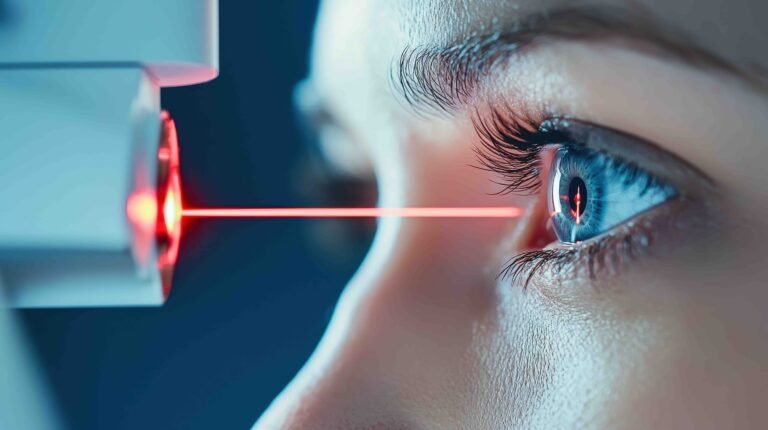
Laser procedures such as Selective Laser Trabeculoplasty (SLT) can help improve fluid outflow from the eye and lower pressure. Laser treatment may be used alone or alongside medications.
Minimally invasive glaucoma surgery
In some cases, small implants or microsurgical techniques are used to create new drainage pathways. These procedures aim to control eye pressure while minimizing disruption to the eye.
The best treatment approach depends on several factors, including the stage of glaucoma and the patient’s overall eye health.
With appropriate treatment and monitoring, many patients can maintain functional vision for a long time.
If you would like to explore treatment options in greater detail, you can learn more in the section dedicated to glaucoma treatment.
What symptoms might suggest advanced glaucoma?
One of the challenges of glaucoma is that early stages often produce no noticeable symptoms.
However, as the disease progresses, certain visual changes may occur.
Possible symptoms of advanced glaucoma include:
- Gradual narrowing of peripheral vision
- Difficulty seeing objects on the sides
- Tunnel vision in later stages
- Blurred or dim vision in severe cases
Because these symptoms may develop slowly, patients sometimes adapt to the changes without realizing the extent of vision loss.
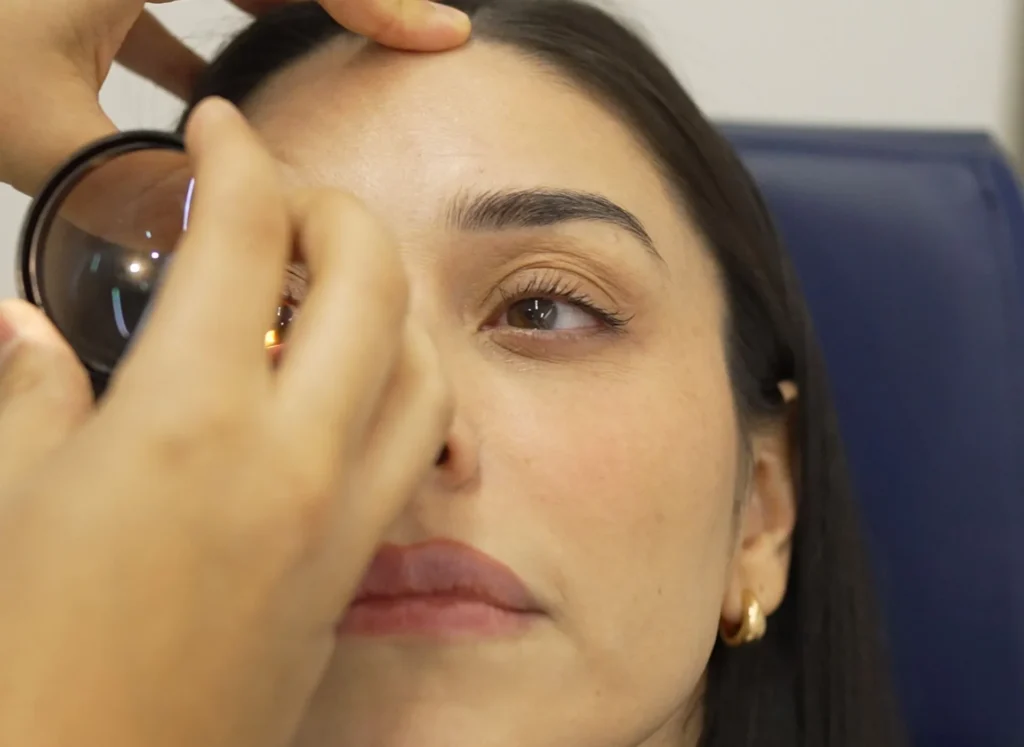
Regular diagnostic testing is the most reliable way to detect glaucoma progression before severe damage occurs.
If patients notice changes in their visual field or difficulty seeing to the side, they should seek evaluation as soon as possible.
Early intervention can help prevent further optic nerve damage.
To learn more about how glaucoma progression is monitored, you can explore the section dedicated to glaucoma monitoring and follow-up care.
Why are regular follow-up visits essential for glaucoma patients?
Glaucoma is a chronic condition that requires long-term monitoring.
Even when eye pressure is controlled, regular follow-up visits remain essential to ensure that the optic nerve remains stable.
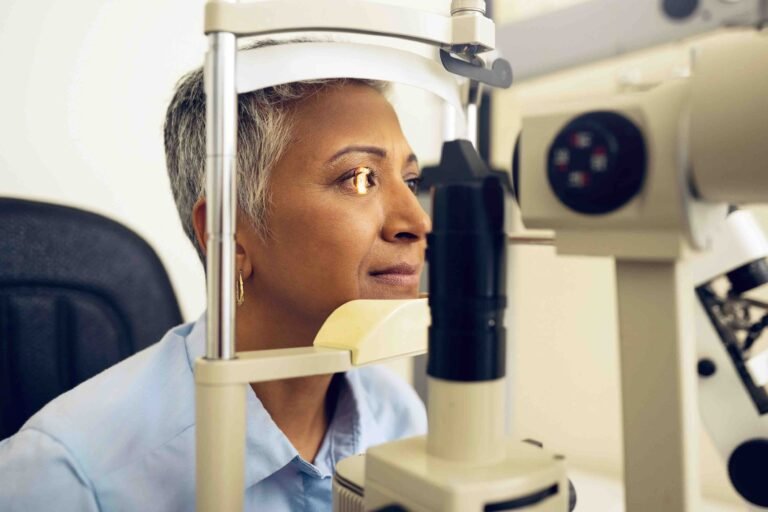
During these visits, several tests may be performed, including:
- Measurement of intraocular pressure
- Optical Coherence Tomography (OCT) imaging
- Visual field testing
- Evaluation of the optic nerve
These examinations allow ophthalmologists to detect subtle changes that may indicate disease progression.
If changes are detected, treatment can be adjusted to provide better pressure control and protect the optic nerve.
Patients who attend regular follow-up appointments are more likely to maintain stable vision over time.
Protecting eyesight in glaucoma requires ongoing collaboration between patient and physician.
If you would like to understand more about long-term glaucoma care, you can explore the section dedicated to glaucoma management.
Conclusion: can glaucoma cause blindness?
So, can glaucoma cause blindness? In advanced and untreated cases, glaucoma can lead to severe vision loss and even blindness because of progressive damage to the optic nerve.
However, this outcome is not inevitable. With early diagnosis, appropriate treatment, and regular monitoring, many patients are able to maintain useful vision for many years.
The key to protecting eyesight is recognizing that glaucoma often develops silently. Routine eye examinations allow the condition to be detected before significant damage occurs.
I evaluate and manage glaucoma at Emirates Hospital Day Surgery & Medical Center in Dubai Motor City and at Harley Street Medical Center in Abu Dhabi, where I assess optic nerve health, monitor eye pressure, and determine the most appropriate treatment strategies.
If you have concerns about glaucoma or would like to assess your eye health, scheduling an ophthalmologic examination can provide the information needed to guide the next steps in protecting your vision.
Dr. Hassan A. Aziz – Discover more about me
Dubai
Emirates Hospital Day Surgery & Medical Center in Dubai Motor City
Al Hebiah First – Dubai Motor City – Dubai – UAE
Abu Dhabi
Harley Street Medical Center
F8F9+RCW – Villa No. A21 – Al Kasir – Al Marina – Abu Dhabi – UAE