Can Laser Eye Surgery Correct Astigmatism
Many patients who experience blurred or distorted vision ask an important question during their consultation: can laser eye surgery correct astigmatism? Astigmatism is one of the most common refractive errors, and modern laser vision correction procedures are often able to improve it significantly.
Astigmatism occurs when the cornea has an irregular curvature, preventing light from focusing evenly on the retina. Instead of forming a clear image, light rays focus at multiple points, causing blurred or distorted vision.
This condition can affect both near and distance vision and may occur alone or together with other refractive errors such as myopia (nearsightedness) or hyperopia (farsightedness).
Laser vision correction procedures such as LASIK and PRK are designed to reshape the cornea with precise laser technology. By modifying the curvature of the cornea, these procedures can help light focus more accurately on the retina.
However, not every patient with astigmatism is automatically a candidate for laser surgery. The structure of the eye, the thickness of the cornea, and overall eye health must be carefully evaluated before treatment is considered.
In this article, I will explain what astigmatism is, how laser vision correction can address it, who may be a suitable candidate for treatment, and what patients should expect during the evaluation process.
What is astigmatism and why does it affect vision?
Astigmatism is a refractive error that occurs when the cornea or lens of the eye has an uneven curvature.
In a typical eye, the cornea has a symmetrical dome shape, similar to the surface of a sphere. This shape allows light to focus precisely onto the retina, producing clear images.
In astigmatism, the cornea is shaped more like an oval rather than a perfect sphere. Because of this irregular curvature, light entering the eye is bent unevenly.
As a result, images may appear:
- Blurred
- Distorted
- Stretched in certain directions
Patients with astigmatism often experience visual symptoms such as:
- Difficulty seeing fine details
- Blurred vision at both near and far distances
- Eye strain during reading or computer work
- Headaches associated with visual effort
- Halos or glare around lights, especially at night
Astigmatism can vary in severity. Mild forms may cause minimal visual disturbance, while higher degrees can significantly affect daily activities.
Traditional vision correction methods such as glasses or contact lenses can help compensate for the irregular corneal shape.
However, laser vision correction aims to address the underlying optical issue by reshaping the cornea itself.
If you would like to learn more about refractive errors and how they affect vision, you can explore the section dedicated to refractive eye conditions.
How does laser eye surgery correct astigmatism?
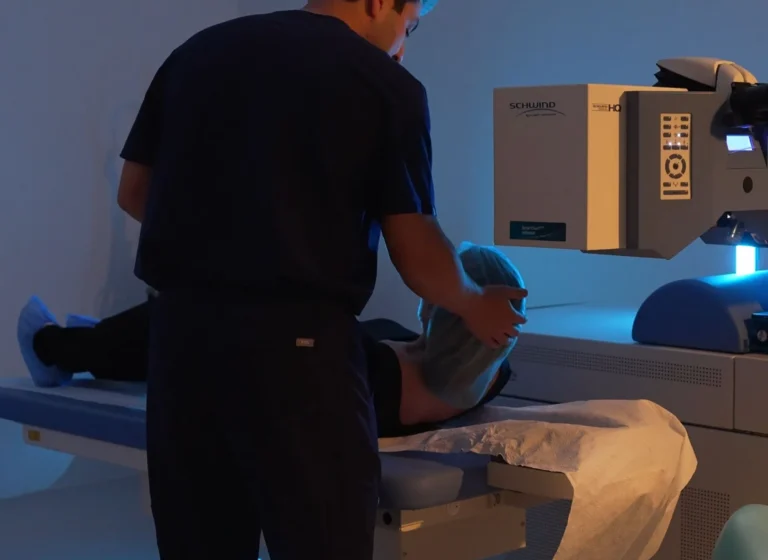
Laser eye surgery corrects astigmatism by reshaping the cornea to create a more regular surface.
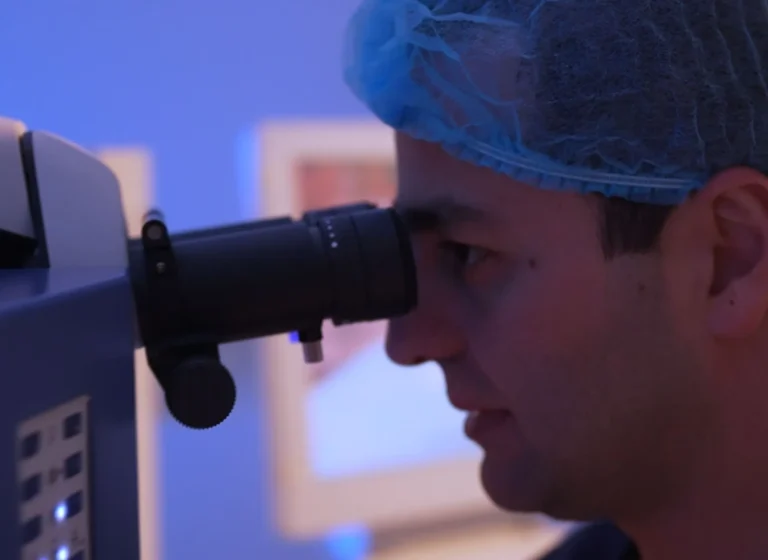
During procedures such as LASIK or PRK, a specialized laser removes microscopic layers of corneal tissue with extremely high precision.
This controlled reshaping changes how light enters the eye and allows it to focus more accurately on the retina.
The treatment is customized for each patient based on detailed measurements taken during the evaluation process.
These measurements typically include:
- Corneal curvature
- Corneal thickness
- Refractive error
- Overall corneal shape
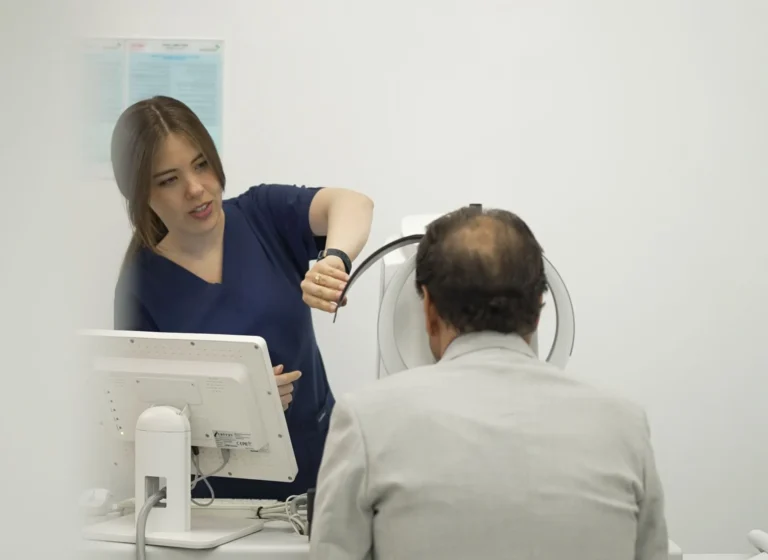
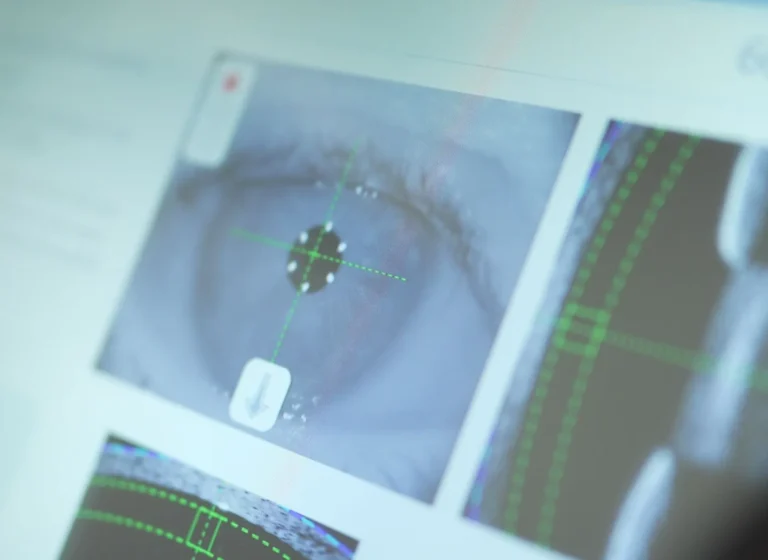
Advanced diagnostic technologies create detailed maps of the cornea, allowing the laser treatment to be tailored precisely to the patient’s visual needs.
By adjusting specific areas of the cornea, the laser can reduce the irregular curvature responsible for astigmatism.
The result is often clearer and more stable vision, although outcomes vary depending on the characteristics of the patient’s eyes.
Laser vision correction is not performed in the same way for every patient. The treatment plan is carefully designed based on individual measurements.
If you would like to understand how laser vision correction procedures work, you can explore the section dedicated to laser vision correction treatments.
Can LASIK treat astigmatism?
Yes, LASIK is commonly used to treat astigmatism when the patient’s eye structure is suitable for the procedure.
LASIK involves creating a thin flap on the surface of the cornea and then reshaping the underlying corneal tissue using an excimer laser.
Once the laser reshaping is complete, the flap is repositioned so the cornea can heal naturally.
The advantages of LASIK for treating astigmatism may include:
- Rapid visual recovery in many patients
- Precise reshaping of the cornea
- Minimal discomfort during the procedure
However, LASIK is not appropriate for everyone.
Before recommending LASIK, I evaluate several important factors, including:
- Corneal thickness
- Corneal stability
- Degree of astigmatism
- Overall eye health
If the cornea is too thin or shows signs of structural weakness, other treatment options may be more appropriate.
The goal of the evaluation process is always to ensure that the treatment is safe and appropriate for the patient’s eyes.
If you would like to explore LASIK treatment in more detail, you can read more in the section dedicated to LASIK vision correction.
Can PRK also correct astigmatism?
Yes, PRK (Photorefractive Keratectomy) is another laser procedure that can correct astigmatism.
PRK uses the same excimer laser technology as LASIK but follows a slightly different approach.
Instead of creating a corneal flap, PRK removes the thin outer layer of the cornea before reshaping the underlying tissue with the laser.
This approach may be recommended for patients who have:
- Thinner corneas
- Certain corneal surface characteristics
- Occupational or lifestyle factors where flap-related procedures may not be ideal
After PRK treatment, the outer layer of the cornea gradually regenerates during the healing process.
Although recovery may take slightly longer compared with LASIK, PRK can be an effective option for correcting astigmatism in appropriately selected patients.
As with all refractive procedures, careful evaluation is necessary to determine whether PRK is suitable.
If you would like to learn more about this technique, you can explore the section dedicated to PRK laser vision correction.
Who is a good candidate for laser eye surgery to treat astigmatism?
Not every patient with astigmatism is automatically eligible for laser vision correction.
Determining candidacy requires a detailed evaluation of the eye.
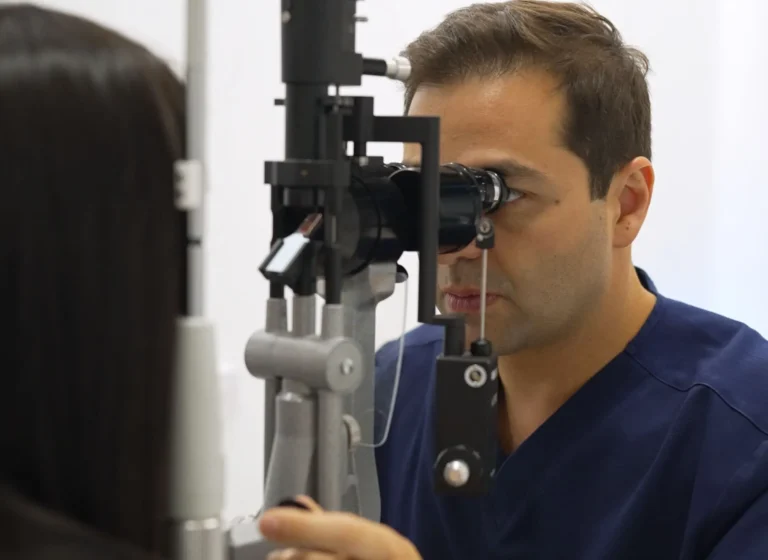
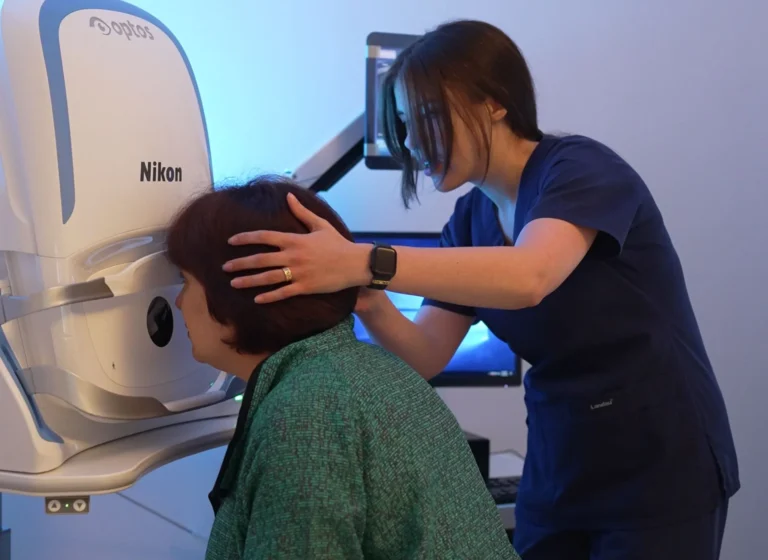
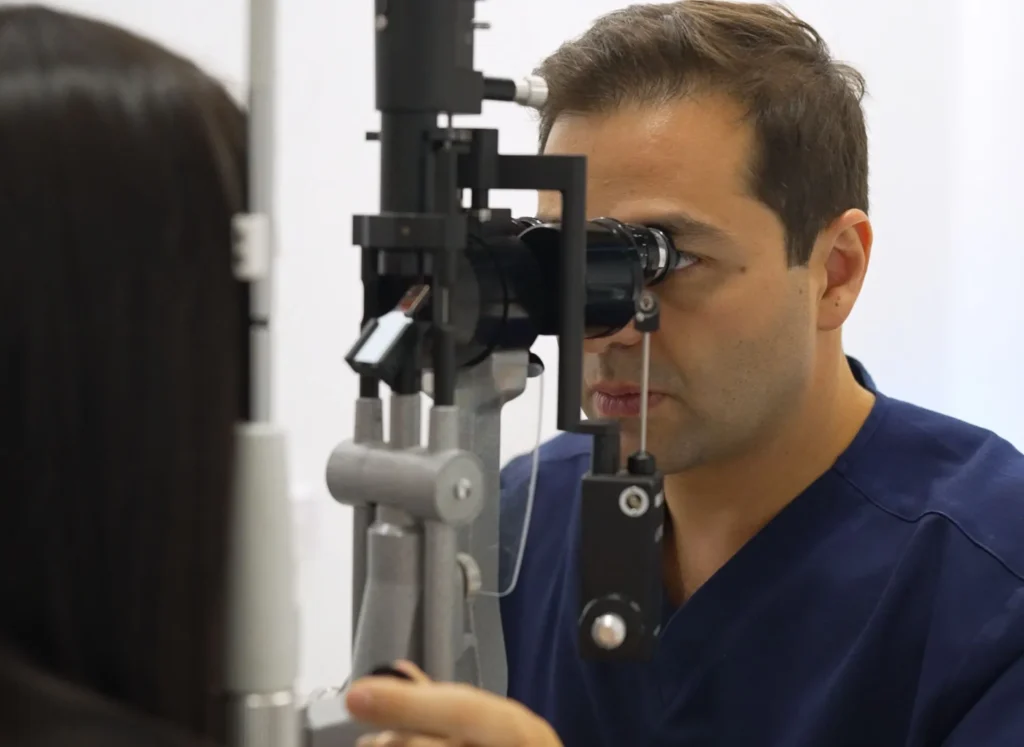
During the initial consultation, patients first undergo screening tests with the optometrist before meeting with me for the surgical evaluation.
Some of the factors considered when assessing eligibility include:
- Stability of the visual prescription
- Corneal thickness and shape
- Absence of corneal diseases such as keratoconus
- Healthy tear film and eye surface
- Realistic expectations about outcomes
Patients whose eyes meet these criteria may be good candidates for laser vision correction.
However, when certain conditions are present, other vision correction strategies may be more appropriate.
The most important principle in refractive surgery is always selecting the safest and most suitable treatment for the patient’s eyes.
If you would like to learn more about eligibility criteria, you can explore the section dedicated to laser vision correction consultation.
What results can patients expect after astigmatism correction?
Laser vision correction can significantly improve visual clarity in many patients with astigmatism.
By reshaping the cornea and reducing irregular curvature, the procedure helps light focus more accurately on the retina.
Many patients notice improvement in:
- Sharpness of vision
- Clarity when reading or using digital screens
- Night vision and reduction of glare
- Dependence on glasses or contact lenses
However, results can vary depending on several factors, including:
- The degree of astigmatism before treatment
- The overall health of the eye
- The presence of other refractive errors
Laser vision correction aims to improve visual function, but expectations should remain realistic.
During the consultation, I review the diagnostic results and discuss what level of improvement may be possible for each individual patient.
If you would like to learn more about expected outcomes, you can explore the section dedicated to laser vision correction results.
Why is a professional evaluation essential before laser eye surgery?
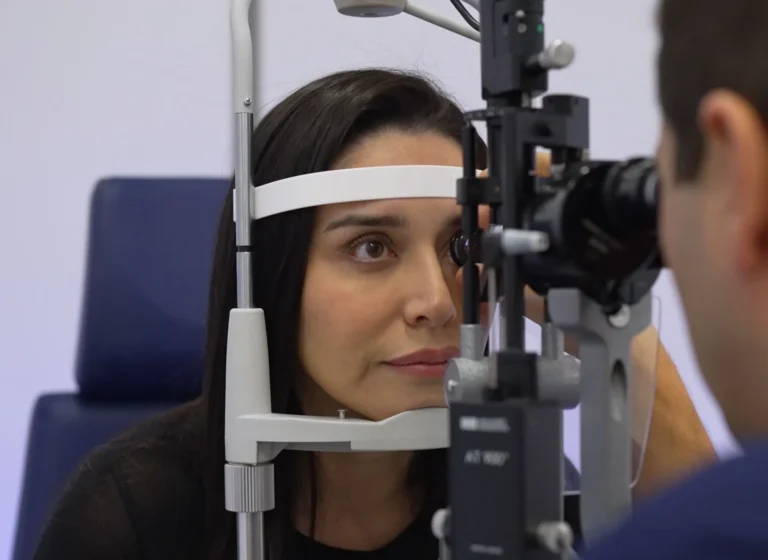
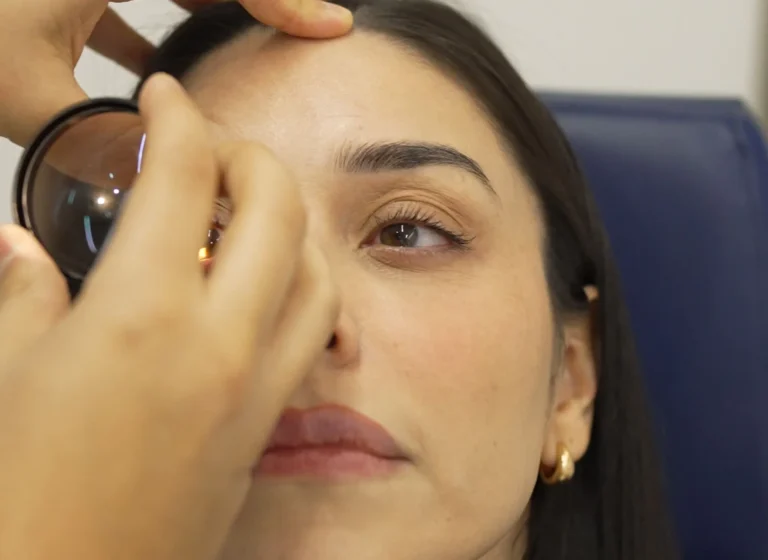
Before performing laser eye surgery for astigmatism, a comprehensive ophthalmologic examination is essential.
This evaluation helps determine whether the procedure can be performed safely and whether the expected benefits outweigh potential risks.
Advanced imaging technologies provide detailed information about the structure of the cornea and the health of the eye.
These tests help identify conditions that may make laser surgery less suitable.
Examples include:
- Corneal thinning disorders
- Irregular corneal shape
- Certain retinal conditions
- Severe dry eye
A thorough consultation allows patients to receive clear explanations and realistic expectations about the procedure.
This careful approach ensures that laser vision correction is recommended only when it is appropriate for the patient’s eyes.
If you would like to learn more about the evaluation process, you can explore the section dedicated to refractive surgery assessment.
Conclusion: can laser eye surgery correct astigmatism
Understanding can laser eye surgery correct astigmatism helps patients make informed decisions about vision correction.
Procedures such as LASIK and PRK can reshape the cornea and improve the way light focuses on the retina, often reducing the visual distortion caused by astigmatism.
However, successful treatment depends on careful evaluation of the eye to determine whether laser vision correction is appropriate.
Each patient’s eyes are unique, and the treatment plan must always be tailored to individual needs.
I evaluate patients considering refractive surgery at Emirates Hospital Day Surgery & Medical Center in Dubai Motor City and at Harley Street Medical Center in Abu Dhabi, where I perform detailed examinations and discuss the safest options for improving vision.
Scheduling a consultation allows you to understand whether laser vision correction may be appropriate for your astigmatism and what results you may realistically expect.
Dr. Hassan A. Aziz – Discover more about me
Dubai
Emirates Hospital Day Surgery & Medical Center in Dubai Motor City
Al Hebiah First – Dubai Motor City – Dubai – UAE
Abu Dhabi
Harley Street Medical Center
F8F9+RCW – Villa No. A21 – Al Kasir – Al Marina – Abu Dhabi – UAE