


Dr. Hassan A. Aziz
What is a corneal ulcer
A corneal ulcer is an open sore on the cornea, often caused by infection or injury. As Dr. Hassan A. Aziz, I evaluate the condition using slit-lamp examination, corneal staining, and imaging techniques to determine severity and cause. Ulcers can affect vision if not treated promptly, especially when deeper layers of the cornea are involved. Treatment focuses on eliminating infection and promoting healing. Early diagnosis reduces the risk of scarring and vision impairment. If you notice symptoms such as pain or blurred vision, consult a cornea specialist in Dubai and Abu Dhabi to receive timely and appropriate care.
Advanced expertise, calm care, and clear guidance for every stage of your vision.

American Board-Certified Expertise
U.S. board-certified with advanced fellowships in retina and ocular oncology from leading international institutions.

Comfort-First Approach
Local anesthesia when possible, efficient in-clinic injections, and same-day discharge for many procedures.

Complex Case Readiness
Integrated retinal and ocular oncology expertise for serious conditions, managed with precision and discretion.

Corneal ulcer symptoms and warning signs
Common symptoms of a corneal ulcer include eye pain, redness, tearing, light sensitivity, and blurred vision. Some patients may also notice a visible white spot on the cornea. As a cornea specialist in Dubai and Abu Dhabi, I emphasize that these symptoms should never be ignored. Early signs may appear mild but can worsen quickly if untreated. Prompt evaluation allows accurate diagnosis and targeted therapy. Delayed care increases the risk of complications such as scarring or permanent vision loss. If you experience any warning signs, seek immediate assessment from a cornea specialist in Dubai and Abu Dhabi.
Corneal ulcer causes and risk factors
Corneal ulcers can result from infections, trauma, or underlying eye conditions. Common causes include bacterial, viral, or fungal infections, as well as injuries to the eye surface. Risk factors include contact lens misuse, dry eyes, weakened immunity, and poor hygiene practices. As a cornea specialist in Dubai and Abu Dhabi, I assess each patient’s history and lifestyle to identify contributing factors. Understanding the cause helps guide effective treatment and prevent recurrence. Early evaluation is essential to protect vision. If you are at risk, consult a cornea specialist in Dubai and Abu Dhabi for a comprehensive assessment.
Dr. Hassan A. Aziz
OPHTHALMOLOGIST
Dr. Hassan A. Aziz is an ophthalmologist specializing in retinal surgery, cataract surgery, and advanced laser eye treatments. He provides precise, patient-focused care in Dubai and Abu Dhabi.
Dr. Maya Rahim
OPTOMETRIST
Dr. Maya Rahim is the optometrist who performs the first eye examinations and initial vision assessments. She helps guide patients through their first visit and supports the diagnostic process before treatment.
Keratitis and corneal ulcer: understanding the connection
Keratitis refers to inflammation of the cornea, which can sometimes progress into a corneal ulcer if left untreated. As a cornea specialist in Dubai and Abu Dhabi, I carefully differentiate between superficial inflammation and deeper ulceration. Infectious keratitis caused by bacteria, viruses, or fungi may damage corneal tissue, leading to ulcer formation. Early treatment of keratitis can prevent more serious complications. Detailed examination and imaging help guide therapy and monitor healing. Recognizing symptoms early is essential. If you experience persistent redness or discomfort, consult a cornea specialist in Dubai and Abu Dhabi for timely diagnosis and treatment.


Corneal ulcer from contact lenses
Improper contact lens use is a common cause of corneal ulcers. Wearing lenses overnight, poor hygiene, or using contaminated solutions can increase infection risk. As a cornea specialist in Dubai and Abu Dhabi, I often see ulcers related to contact lens misuse. Bacteria can adhere to the lens surface and infect the cornea, leading to pain and inflammation. Proper lens care and regular eye examinations help prevent complications. Immediate removal of lenses and prompt evaluation are essential if symptoms occur. If you wear contact lenses, consult a cornea specialist in Dubai and Abu Dhabi for safe usage guidance.
Confident decisions begin with expert guidance.
Reach out today to receive structured, specialist-led care designed around your comfort, safety, and visual goals.
Bacterial corneal ulcer and how it develops
Bacterial corneal ulcers develop when harmful bacteria invade the corneal surface, often following injury or contact lens misuse. These infections can progress rapidly and require urgent treatment. As Dr. Hassan A. Aziz, I diagnose bacterial ulcers using clinical examination and, when needed, microbiological testing. Treatment typically involves intensive antibiotic therapy to control infection and prevent tissue damage. Early intervention significantly improves outcomes. Delayed treatment may lead to scarring or vision loss. If you experience sudden eye pain or redness, consult a cornea specialist in Dubai and Abu Dhabi for immediate care.
Fungal corneal ulcer and eye infections
Fungal corneal ulcers are less common but can be more difficult to treat than bacterial infections. They are often associated with eye injuries involving organic material or prolonged contact lens use. As Dr. Hassan A. Aziz, I carefully diagnose fungal infections using specialized evaluation and imaging. Treatment involves antifungal medications and close monitoring to ensure healing. These ulcers may progress slowly but can still cause significant damage if untreated. Early recognition is essential to preserve vision. If you suspect an infection, consult a cornea specialist in Dubai and Abu Dhabi and book your appointment promptly.

Marginal corneal ulcer and peripheral corneal inflammation
Marginal corneal ulcers are often linked to inflammation rather than direct infection. They typically appear near the edge of the cornea and may be associated with eyelid conditions such as blepharitis. As a cornea specialist in Dubai and Abu Dhabi, I evaluate these cases using slit-lamp examination, clinical history, and corneal staining to differentiate inflammation from infection. Treatment may include anti-inflammatory medication and eyelid hygiene management. Early diagnosis helps prevent progression and discomfort. If you notice redness or irritation near the corneal edge, consult a cornea specialist in Dubai and Abu Dhabi for proper evaluation.
Corneal ulcer vs corneal abrasion
A corneal abrasion is a superficial scratch on the cornea, while a corneal ulcer is a deeper, often infected lesion. As a cornea specialist in Dubai and Abu Dhabi, I distinguish between the two using fluorescein staining and slit-lamp examination. Abrasions usually heal quickly with basic treatment, while ulcers require more intensive therapy to prevent complications. Symptoms may overlap, including pain and tearing, but ulcers pose a higher risk to vision. Accurate diagnosis is essential for proper management. If you experience eye discomfort, consult a cornea specialist in Dubai and Abu Dhabi for evaluation.
From Dubai Marina
From Dubai Marina: Take Sheikh Zayed Road E11 toward Abu Dhabi, exit at Hessa Street D61, follow signs to Dubai Motor City.
From Dubai Healthcare City
From Dubai Healthcare City: Drive via Sheikh Zayed Road E11 toward Abu Dhabi, take Hessa Street exit, continue to Dubai Motor City.
Where to parking
Parking is available within Dubai Motor City near Emirates Hospital Day Surgery & Medical Center. Visitors can use the dedicated hospital parking areas and nearby public spaces. Access is clearly signposted, with convenient drop-off points directly at the medical center entrance.
From Dubai Marina: Take Sheikh Zayed Road E11 toward Abu Dhabi, exit at Hessa Street D61, follow signs to Dubai Motor City.
From Dubai Healthcare City: Drive via Sheikh Zayed Road E11 toward Abu Dhabi, take Hessa Street exit, continue to Dubai Motor City.
From Arabian Ranches: Head east on Umm Suqeim Street D63, connect to Hessa Street D61, follow signs to Motor City.
From Al Barsha: Take Hessa Street D61 southbound, continue straight toward Dubai Motor City, follow hospital signage.
From JVC: Drive along Hessa Street D61 toward Dubai Motor City, follow directional signs to Emirates Hospital.
From Saadiyat Island
From Saadiyat Island: Drive via Sheikh Khalifa Bin Zayed Street E12 toward central Abu Dhabi, continue to Al Kasir area, follow signs to Harley Street Medical Center.
Al Reem Island
From Al Reem Island: Take Al Reem Street toward Abu Dhabi city center, continue via Zayed The First Street toward Al Kasir, then follow directions to Harley Street Medical Center.
Where to parking
Parking is available near Harley Street Medical Center in Al Marina. Visitors can use designated medical center parking spaces and nearby public parking areas. Clear signage guides you to the entrance, with convenient drop-off access directly in front of the facility.
From Saadiyat Island: Take Sheikh Khalifa Bridge toward Abu Dhabi city, follow Corniche Road, then turn onto Al Kasir toward Al Marina.
From Al Reem Island: Cross Al Reem to Abu Dhabi via Hazza Bin Zayed Street, follow Corniche Road toward Al Marina.
From Corniche Area: Drive west along Corniche Road, continue toward Al Marina, turn onto Al Kasir Road.
From Khalidiya: Head toward Corniche Road, drive westbound following signs to Al Marina and Al Kasir.
From Al Bateen: Take Al Khaleej Al Arabi Street, connect to Corniche Road, continue toward Al Marina district.
How a corneal ulcer is diagnosed by an ophthalmologist
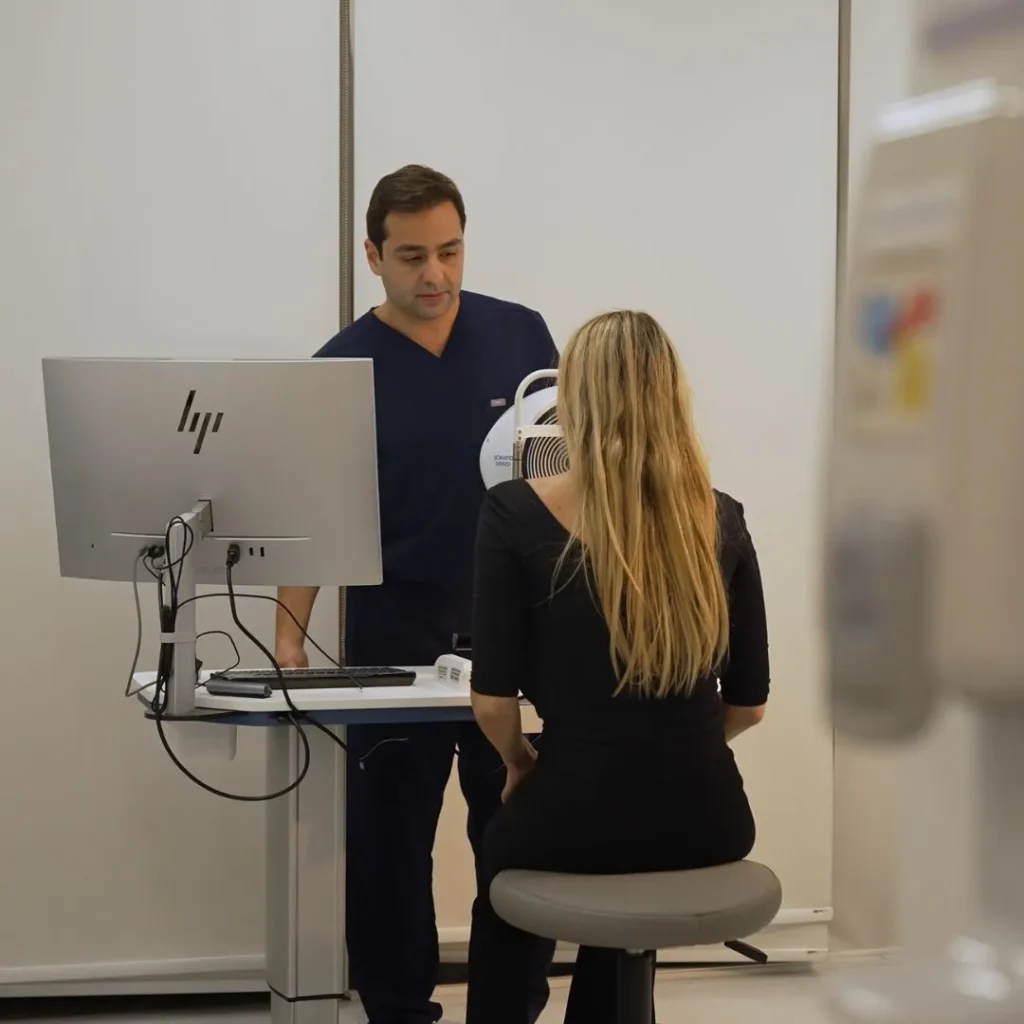
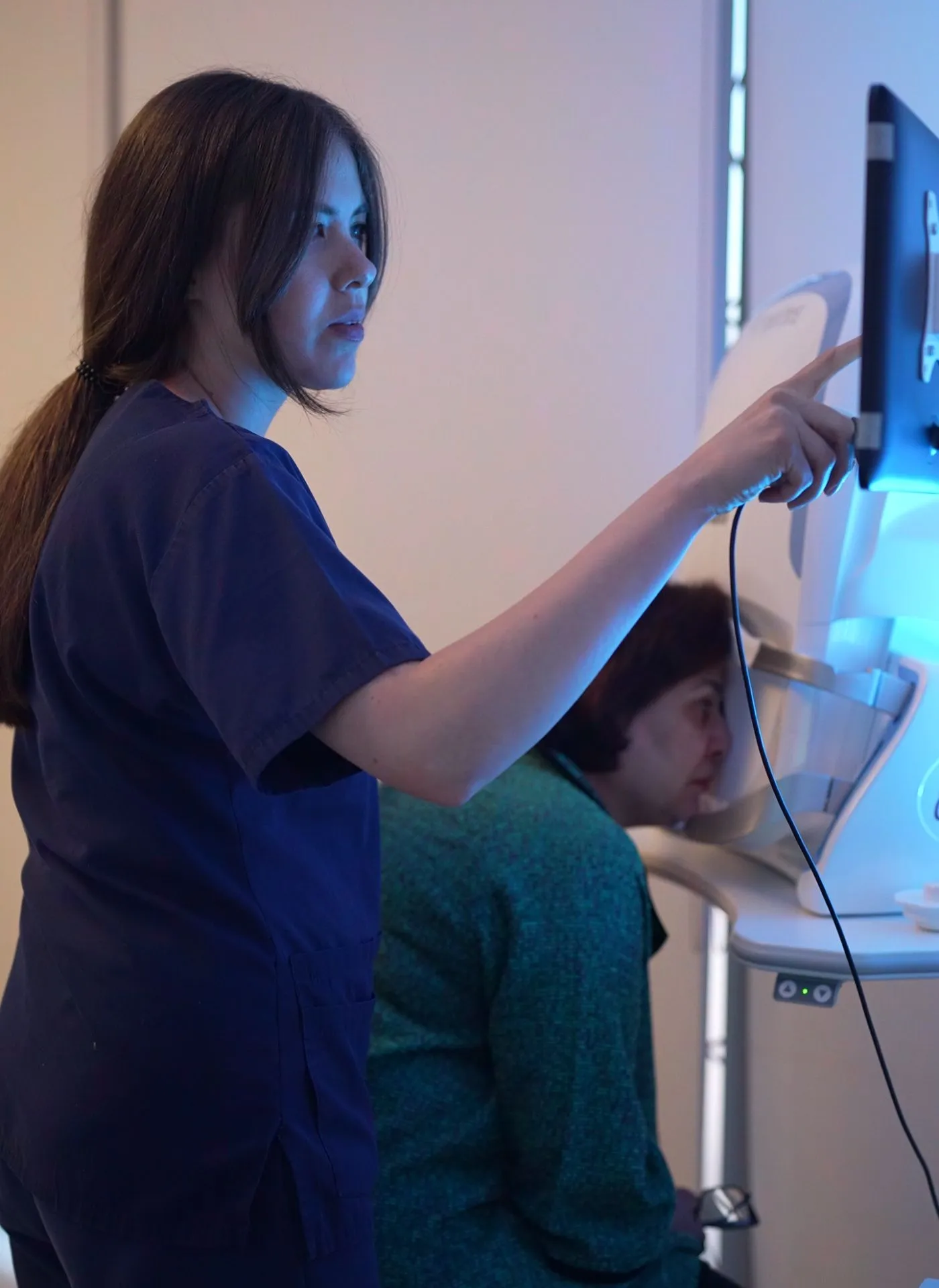
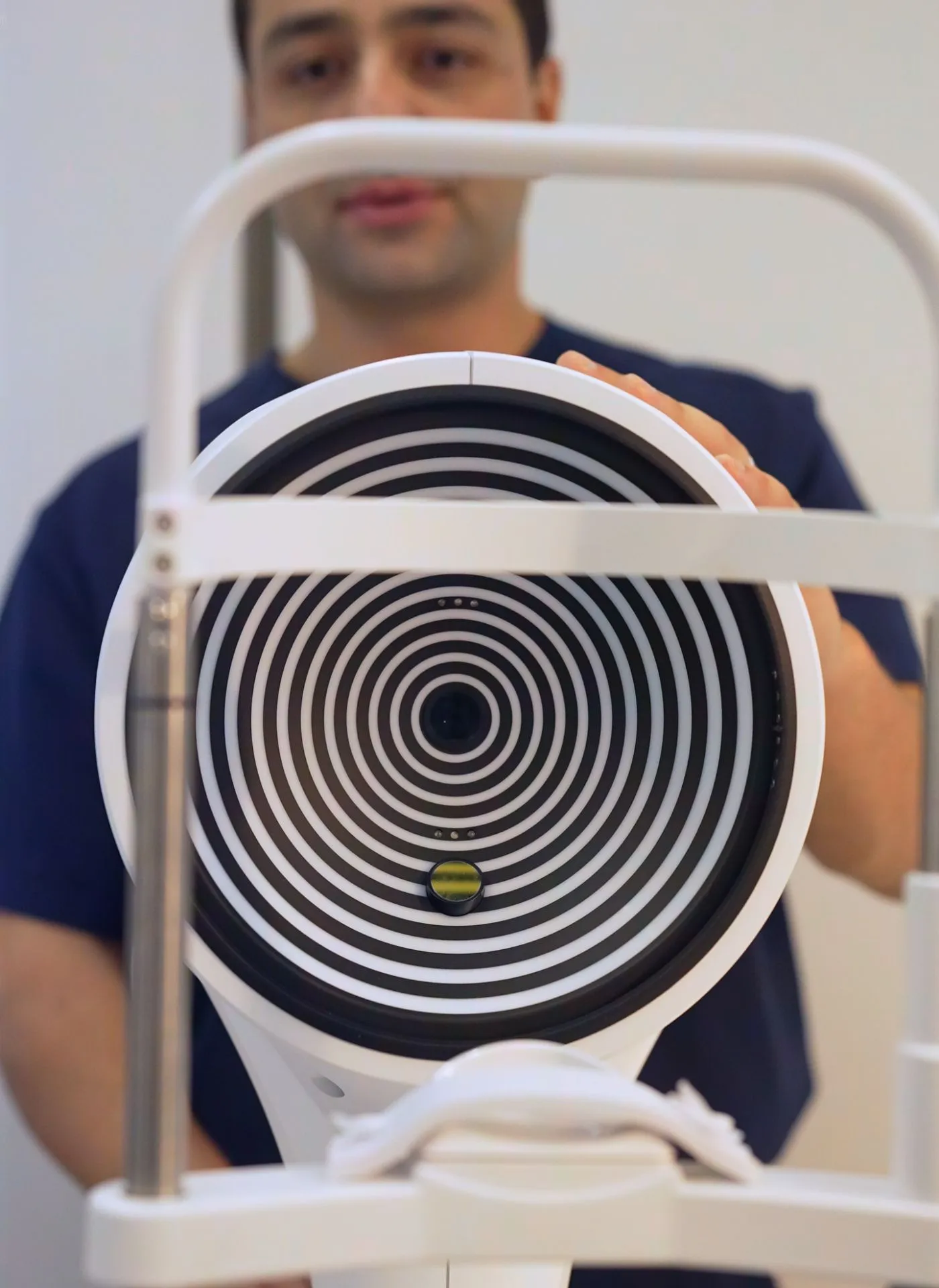
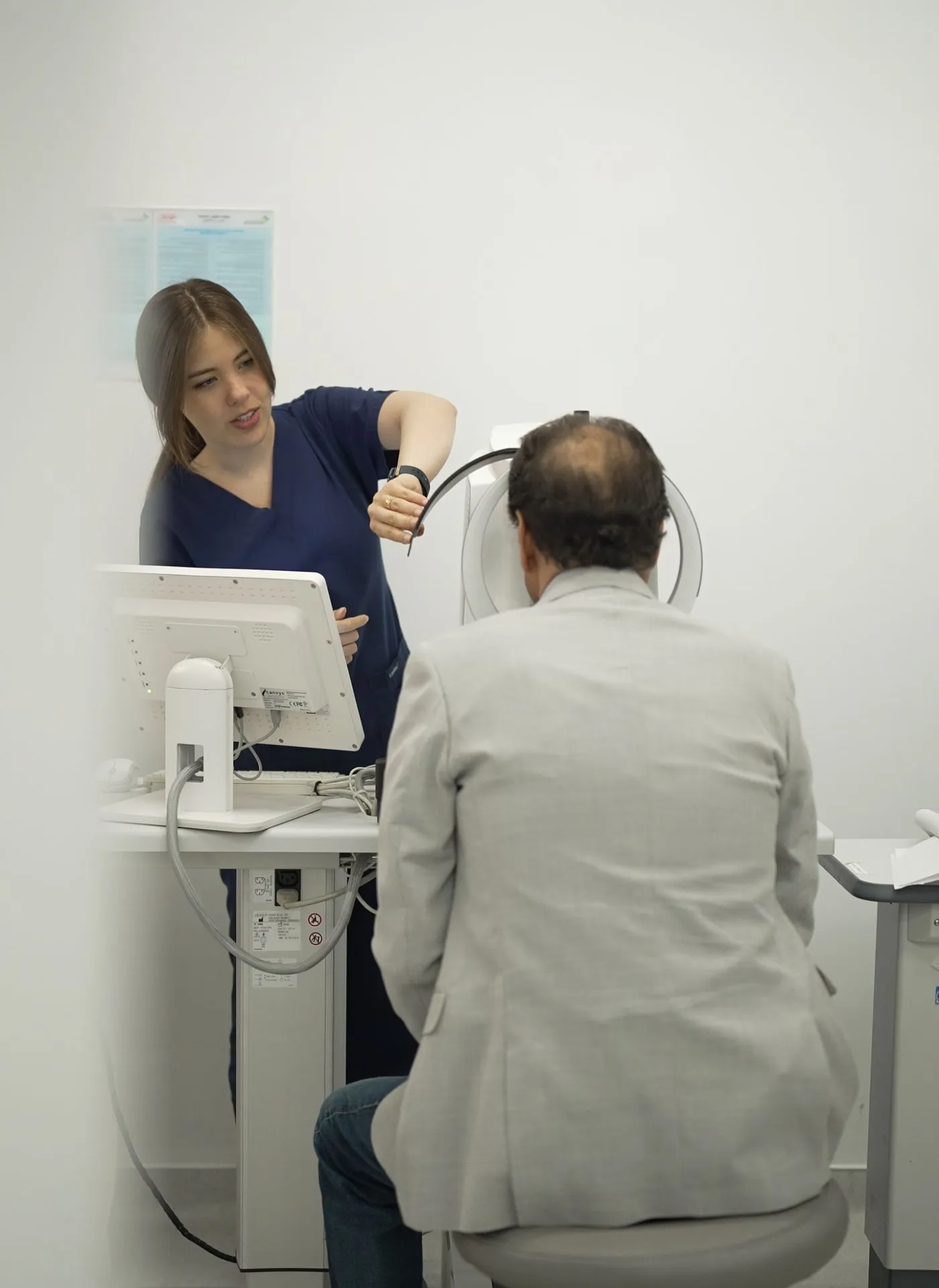
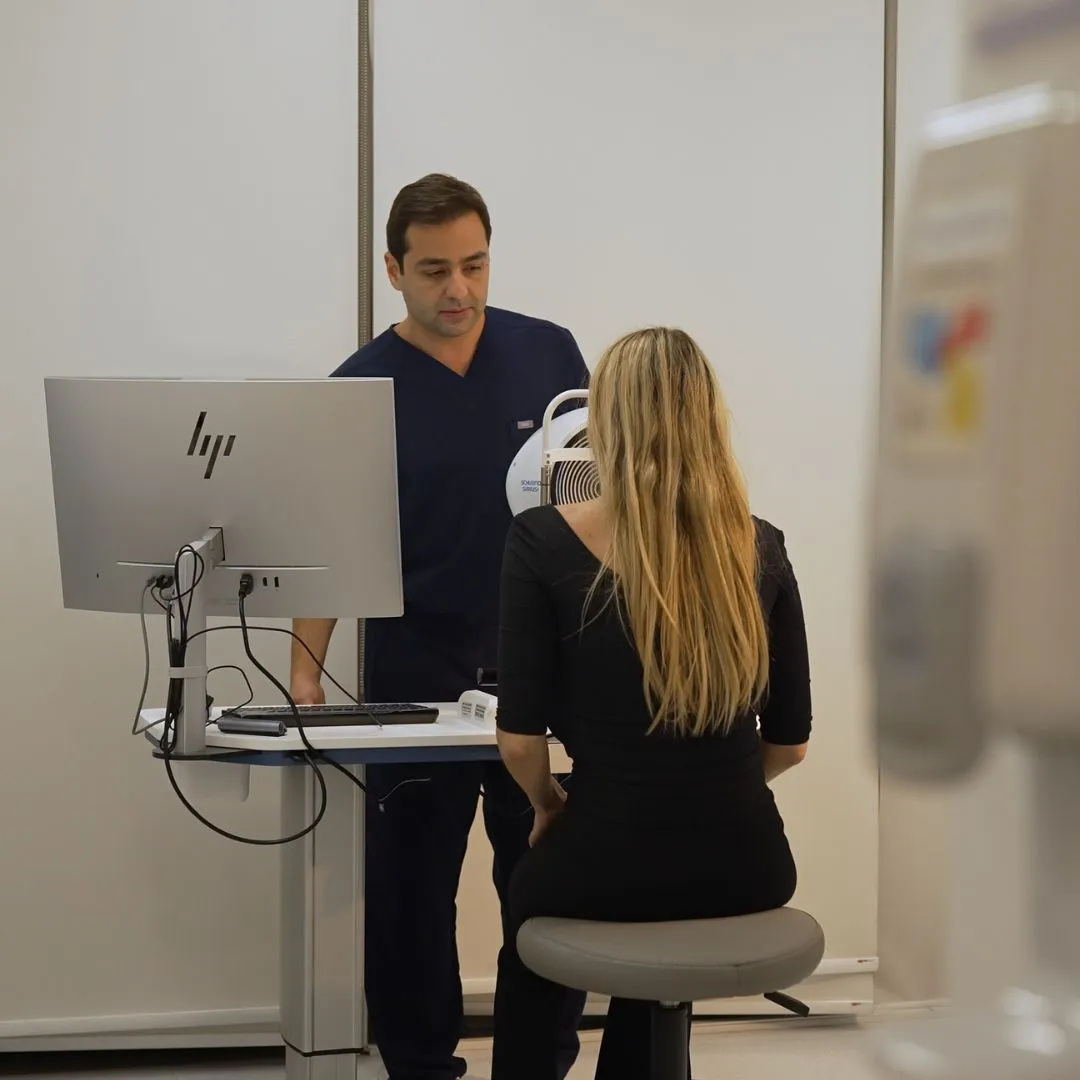
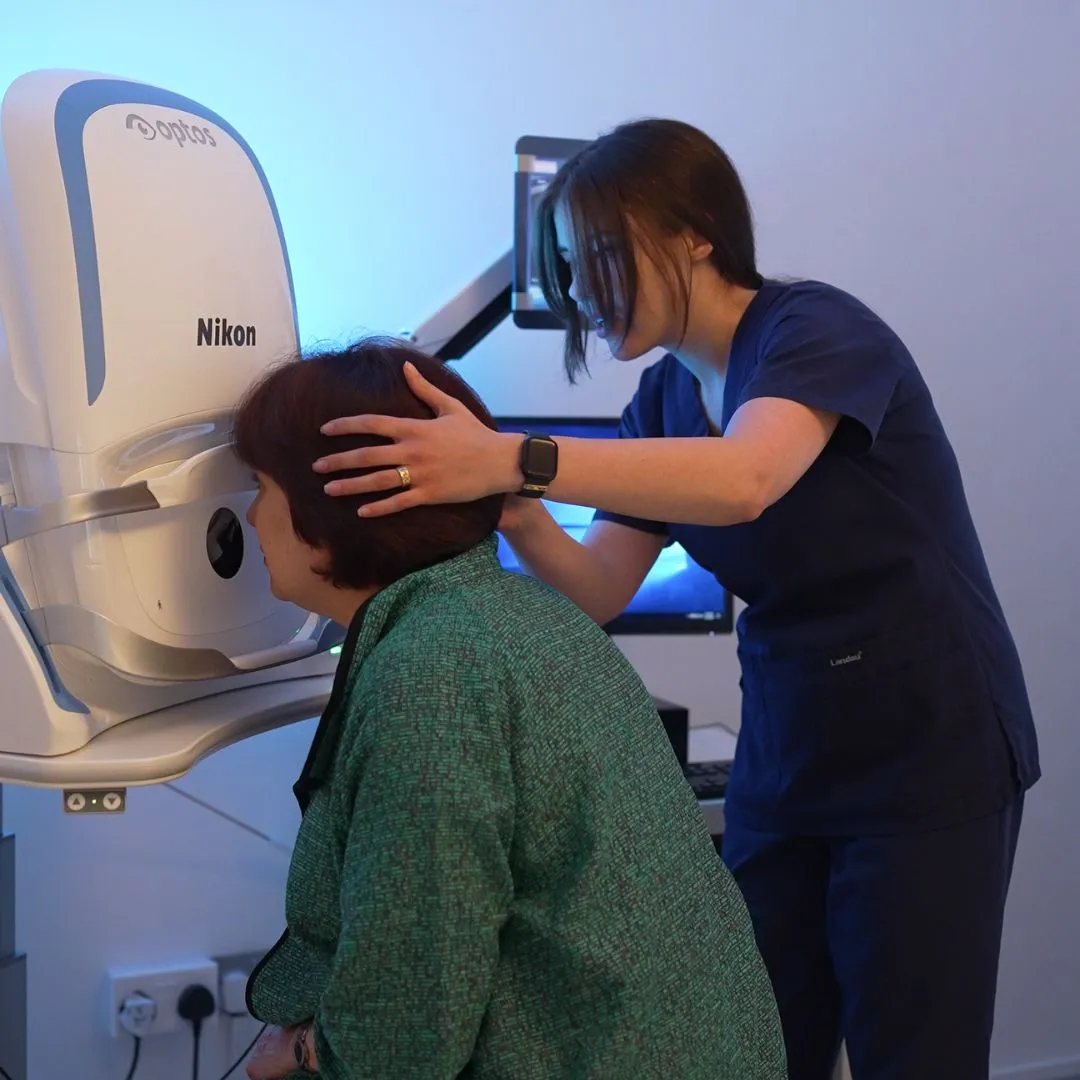
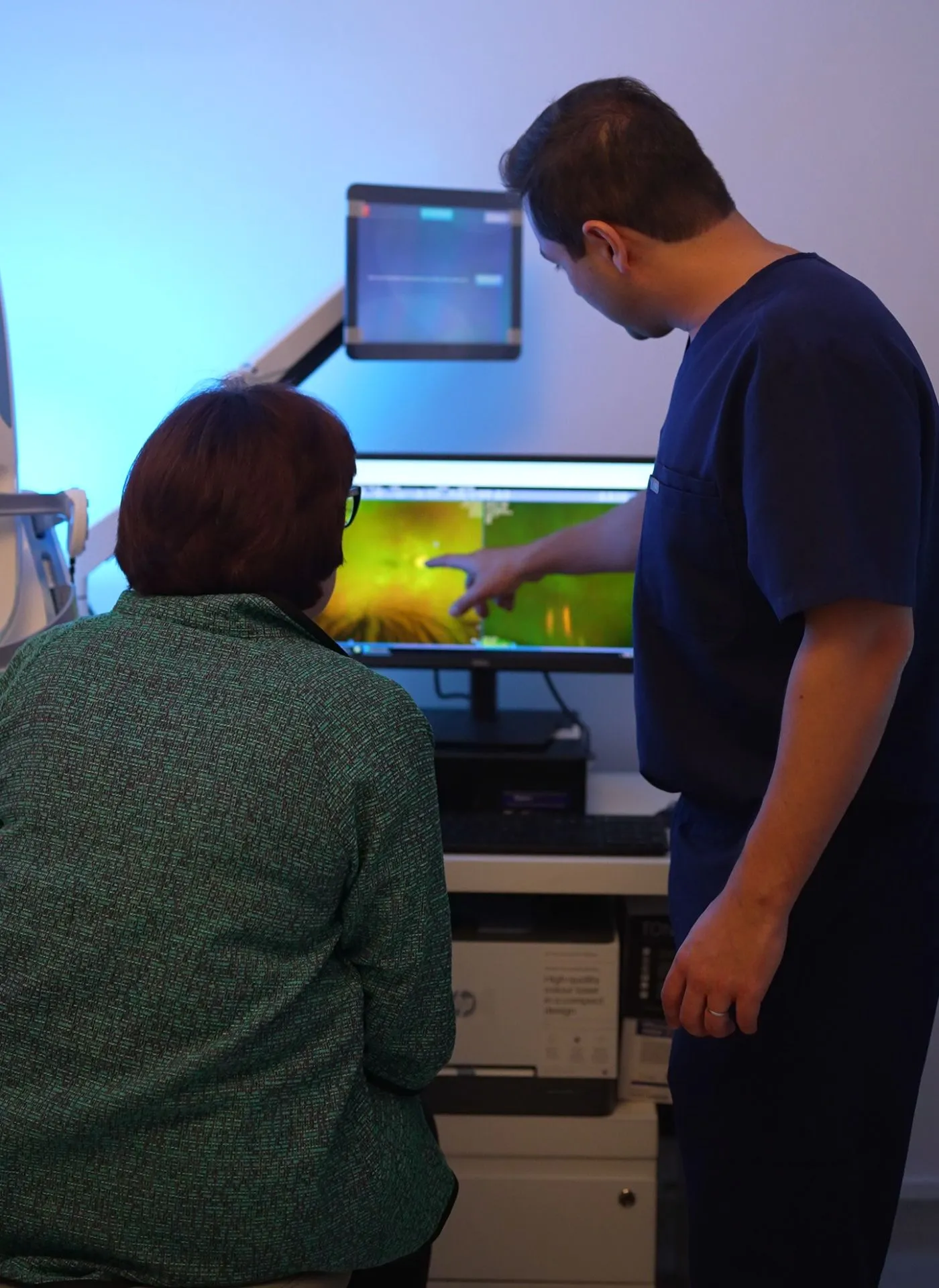
Diagnosing a corneal ulcer requires a detailed clinical examination. As a cornea specialist in Dubai and Abu Dhabi, I use slit-lamp microscopy, corneal staining, and sometimes microbiological testing to identify the cause and severity of the ulcer. Imaging helps assess the depth and extent of corneal involvement. In some cases, samples may be taken to determine the exact infectious organism. Accurate diagnosis guides targeted treatment and improves outcomes. Early evaluation is critical to prevent complications. If you suspect an eye infection, consult a cornea specialist in Dubai and Abu Dhabi for prompt diagnosis.
Corneal ulcer treatment options in Dubai
Treatment for corneal ulcers depends on the underlying cause. As a cornea specialist in Dubai and Abu Dhabi, I prescribe antibiotic, antifungal, or antiviral medications based on the type of infection. Inflammatory cases may require additional therapy to reduce swelling and discomfort. Frequent follow-up visits are essential to monitor healing and adjust treatment if needed. Advanced cases may require hospital-based care or surgical intervention. Early and targeted therapy improves recovery and reduces complications. If you need expert care, consult a cornea specialist in Dubai and Abu Dhabi to begin appropriate treatment.
How long does a corneal ulcer take to heal
Healing time for a corneal ulcer varies depending on its severity and cause. Mild ulcers may improve within days, while more severe infections can take weeks to heal completely. As a cornea specialist in Dubai and Abu Dhabi, I monitor healing through regular examinations and imaging to ensure proper recovery. Compliance with prescribed medication is essential for successful treatment. Some cases may leave residual scarring that affects vision. Early treatment shortens recovery time and improves outcomes. If you are concerned about healing, consult a cornea specialist in Dubai and Abu Dhabi for ongoing care.
When corneal ulcer surgery may be required
Surgery may be required when a corneal ulcer does not respond to medical treatment or causes significant damage. As a cornea specialist in Dubai and Abu Dhabi, I consider surgical options such as corneal transplantation or therapeutic procedures in severe cases. Surgery aims to restore corneal integrity and preserve vision. These cases are carefully evaluated using imaging and clinical assessment before proceeding. Early treatment reduces the likelihood of needing surgery. If your condition is not improving with medication, consult a cornea specialist in Dubai and Abu Dhabi for further evaluation.
Preventing keratitis and corneal ulcers
Preventing corneal ulcers involves maintaining good eye hygiene and protecting the cornea from injury. As a cornea specialist in Dubai and Abu Dhabi, I advise proper contact lens care, avoiding overnight wear, and regular eye check-ups. Managing dry eyes and treating eyelid conditions can also reduce risk. Protective eyewear is recommended in environments where eye injuries are possible. Early treatment of minor eye infections helps prevent progression. Awareness and prevention play a key role in eye health. For personalized advice, consult a cornea specialist in Dubai and Abu Dhabi.
When to see an ophthalmologist for a corneal ulcer in Dubai
You should seek immediate care if you experience symptoms such as severe eye pain, redness, light sensitivity, blurred vision, or discharge. As a cornea specialist in Dubai and Abu Dhabi, I emphasize that early evaluation is essential to prevent complications. Corneal ulcers can worsen quickly if left untreated, leading to permanent vision loss. Prompt diagnosis allows targeted treatment and improves outcomes. Do not delay seeking care if symptoms appear. If you notice any warning signs, consult a cornea specialist in Dubai and Abu Dhabi and book your appointment without delay.


Follow Me on Social Media
Stay informed about eye health, advanced treatments, and practical vision advice. I share educational insights, updates, and guidance to help you make confident decisions about your eyesight.
@azizophthalmology