How Does Retina Surgery Work
Patients who are diagnosed with retinal conditions often ask an important question: how does retina surgery work? The retina is one of the most delicate and essential structures of the eye, and understanding how surgery helps treat retinal problems can make the process less intimidating.
The retina is a thin layer of light-sensitive tissue located at the back of the eye. Its role is to convert light into electrical signals that are sent to the brain through the optic nerve. When the retina becomes damaged or affected by disease, vision can deteriorate significantly.
Retinal surgery is designed to repair structural problems in the retina, remove abnormal tissue or fluid, and stabilize the eye in order to preserve vision. These procedures require specialized techniques and advanced surgical equipment because of the extremely fine structures involved.
Modern retinal surgery has evolved significantly over the past decades. Many procedures can now be performed using minimally invasive microsurgical techniques that allow precise treatment while reducing recovery time.
In this article, I will explain how retinal surgery works, when it is necessary, what conditions it can treat, and what patients typically experience before and after the procedure.
What is the retina and why is it so important for vision?
The retina plays a central role in the visual process. It is a thin layer of nerve tissue lining the back wall of the eye, responsible for detecting light and converting it into signals that the brain can interpret as images.
Within the retina are specialized cells called photoreceptors, which include rods and cones. These cells react to incoming light and begin the process of visual perception.
The retina is responsible for several essential visual functions:
- Detecting light entering the eye
- Converting light into electrical signals
- Transmitting visual information to the brain
- Supporting both central and peripheral vision
The central portion of the retina, called the macula, is responsible for sharp vision used for reading, recognizing faces, and seeing fine detail.
When the retina becomes damaged or detached from its normal position, these functions can be disrupted. This may lead to symptoms such as:
- Blurred vision
- Distorted vision
- Loss of peripheral vision
- Sudden appearance of floaters or flashes of light
Because the retina is so important for visual processing, many retinal conditions require prompt medical attention and sometimes surgical treatment.
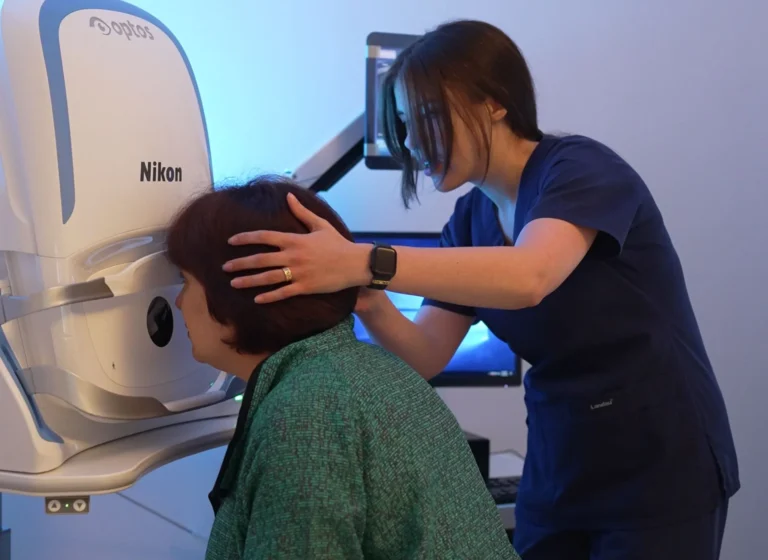
If you would like to learn more about retinal conditions and how they affect vision, you can explore the section dedicated to retina evaluation and diagnosis.
When is retina surgery necessary?
Retinal surgery is usually recommended when structural problems in the retina cannot be treated effectively with medications or laser procedures alone.
Several eye conditions may require surgical treatment to protect vision.
Some of the most common conditions include:
- Retinal detachment, where the retina separates from the underlying tissue
- Vitreous hemorrhage, when bleeding occurs inside the eye
- Macular hole, a small opening that develops in the central retina
- Epiretinal membrane, a thin layer of scar tissue forming on the retina
- Complications of diabetic retinopathy
These conditions can interfere with the normal function of the retina and may cause progressive vision loss if not treated.
In many cases, retinal surgery aims to restore the correct position of the retina or remove substances that are interfering with vision.
The decision to proceed with surgery depends on several factors:
- The specific retinal condition
- The severity of symptoms
- The extent of retinal damage
- The patient’s overall eye health
A detailed retinal examination allows me to determine whether surgery is necessary and which surgical approach may offer the best chance of stabilizing vision.
If you would like to understand more about retinal disease evaluation, you can explore the section dedicated to retinal diagnostic imaging.
What happens during vitrectomy surgery?
One of the most common retinal surgical procedures is called vitrectomy.
The vitreous is a clear gel that fills the center of the eye and helps maintain its shape. In certain retinal diseases, this gel can interfere with the retina or contain blood, scar tissue, or other substances that impair vision.
During vitrectomy surgery, the surgeon carefully removes the vitreous gel to gain access to the retina.
The procedure typically involves several steps:
- Creating small openings in the eye
Tiny instruments are inserted through microscopic openings in the white part of the eye.
- Removing the vitreous gel
Specialized microsurgical tools are used to remove the vitreous material.
- Treating the retinal problem
Depending on the condition, the surgeon may repair a retinal tear, remove scar tissue, or reposition the retina.
- Stabilizing the retina
The eye may be filled with a gas bubble or another substance to help hold the retina in place during healing.
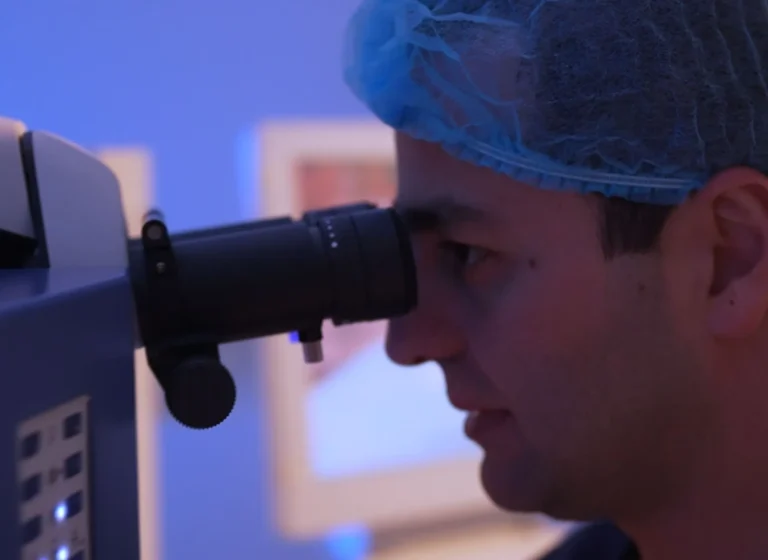
Vitrectomy is performed using advanced surgical microscopes and extremely fine instruments that allow precise manipulation of delicate tissues.
These modern techniques help improve surgical accuracy and patient safety.
If you would like to learn more about vitreoretinal surgery, you can explore the section dedicated to vitrectomy procedures.
How does retinal surgery repair a detached retina?
A retinal detachment occurs when the retina separates from the underlying tissue that supplies it with oxygen and nutrients.
When this happens, the retina cannot function properly. Without treatment, permanent vision loss may occur.
Retinal surgery aims to restore the retina to its normal position and seal the areas where fluid entered beneath it.
Several techniques may be used depending on the specific situation.
Common approaches include:
- Vitrectomy, which allows the surgeon to remove vitreous traction and reposition the retina
- Laser treatment, which seals retinal tears
- Gas or silicone oil placement, which helps hold the retina against the eye wall during healing
After surgery, the retina gradually reattaches to the underlying tissue as it heals.
The outcome depends on factors such as how long the retina has been detached and whether the macula has been affected.
Early treatment is extremely important because prompt repair improves the chances of preserving useful vision.
If you would like to learn more about retinal detachment and its treatment, you can explore the section dedicated to retinal detachment surgery.
Can retina surgery improve vision?
The goal of retinal surgery is usually to preserve vision or prevent further vision loss, although in some cases vision may improve after treatment.
The potential visual outcome depends on several factors, including:
- The specific retinal condition
- The duration of the problem before treatment
- The health of the retina before surgery
- The presence of other eye conditions
For example, repairing a retinal detachment early may restore a significant amount of vision. However, if the retina has been detached for a longer period, visual recovery may be limited.
Similarly, removing scar tissue from the retinal surface may improve visual clarity in certain cases.
It is important for patients to understand that retinal surgery focuses primarily on stabilizing the eye and protecting remaining vision.
During the consultation process, I explain realistic expectations based on the specific retinal condition and the findings of the examination.
If you would like to understand how treatment decisions are made, you can explore the section dedicated to retinal disease management.
What should patients expect during recovery after retina surgery?
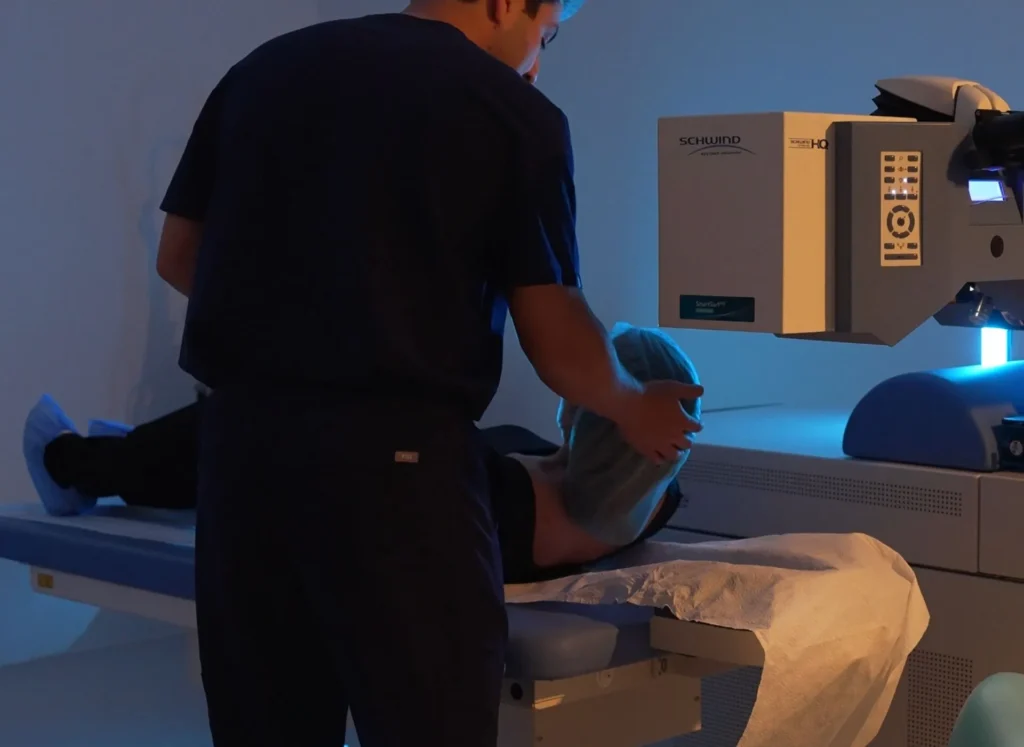
Recovery after retinal surgery varies depending on the type of procedure performed and the condition being treated.
Immediately after surgery, patients may notice blurred vision as the eye begins to heal. If a gas bubble has been placed inside the eye, vision may remain limited until the bubble gradually dissolves.
Patients may receive specific post-operative instructions, such as:
- Using prescribed eye drops to prevent infection and inflammation
- Avoiding heavy physical activity for a period of time
- Attending scheduled follow-up visits
- Maintaining certain head positions if a gas bubble was used
Follow-up appointments are important to monitor the healing process and ensure that the retina remains stable.
In many cases, recovery continues gradually over several weeks or months as the retina heals and visual function stabilizes.
Patients should always follow their surgeon’s instructions carefully to support proper healing.
If you would like to learn more about post-operative care for retinal surgery, you can explore the section dedicated to retinal surgery recovery.
Why is early diagnosis important for retinal diseases?
Early diagnosis is critical when dealing with retinal conditions.
Many retinal problems begin with symptoms that patients may initially overlook, such as:
- Sudden floaters
- Flashes of light
- Blurred or distorted vision
- A shadow or curtain appearing in the visual field
These symptoms can indicate conditions such as retinal tears or detachment.
Prompt evaluation allows ophthalmologists to detect retinal problems before they progress further. In some cases, early treatment with laser procedures can prevent the need for surgery.
When surgery is required, earlier intervention often improves the chances of preserving vision.
Regular eye examinations and immediate attention to new visual symptoms play a crucial role in protecting retinal health.
If you would like to learn more about retinal evaluation and early detection, you can explore the section dedicated to retina diagnostic testing.
Conclusion: how does retina surgery work
Understanding how retina surgery works can help patients feel more prepared when facing retinal conditions that require treatment.
Retinal surgery uses highly precise microsurgical techniques to repair structural problems within the eye, remove abnormal tissue, and stabilize the retina to protect vision.
Although the procedures are delicate, modern technology and surgical expertise allow many retinal conditions to be treated effectively.
Early diagnosis and prompt treatment remain essential for achieving the best possible outcomes.
I evaluate and treat retinal diseases at Emirates Hospital Day Surgery & Medical Center in Dubai Motor City and at Harley Street Medical Center in Abu Dhabi, where I assess retinal health and determine whether medical therapy, laser procedures, or surgery may be appropriate.
If you are experiencing new visual symptoms or have concerns about retinal health, scheduling an ophthalmologic examination can help identify the cause and guide the most appropriate treatment plan.
Dr. Hassan A. Aziz – Discover more about me
Dubai
Emirates Hospital Day Surgery & Medical Center in Dubai Motor City
Al Hebiah First – Dubai Motor City – Dubai – UAE
Abu Dhabi
Harley Street Medical Center
F8F9+RCW – Villa No. A21 – Al Kasir – Al Marina – Abu Dhabi – UAE