How to Prevent Glaucoma from Worsening
Glaucoma is a condition that can gradually damage the optic nerve, the structure responsible for transmitting visual information from the eye to the brain. Many patients ask an important question after diagnosis: how to prevent glaucoma from worsening and protect their vision in the long term.
Glaucoma often develops slowly and may not produce noticeable symptoms in the early stages. Because of this, patients may not realize that vision changes are occurring until the disease has already progressed. For this reason, early diagnosis and consistent monitoring are essential.
Although glaucoma treatment cannot always be reversed, there are effective ways to slow its progression and preserve vision. Modern ophthalmology offers several strategies to control the condition, including medical therapy, laser treatments, and minimally invasive surgical options.
In my practice, I focus on careful evaluation and personalized management for each patient. Glaucoma behaves differently from person to person, and treatment must always be tailored to the specific characteristics of the eye.
In this article, I will explain what glaucoma is, why it can worsen over time, and what patients can do to help protect their vision, including the importance of monitoring, treatment adherence, and regular ophthalmologic examinations.
What is glaucoma and why can it worsen over time?
Glaucoma refers to a group of eye conditions that cause progressive damage to the optic nerve. The optic nerve is essential for vision because it transmits visual signals from the eye to the brain.
In many cases, glaucoma is associated with increased intraocular pressure, meaning the pressure inside the eye becomes higher than the optic nerve can tolerate. However, glaucoma treatment can also occur even when eye pressure appears within normal ranges.
The reason glaucoma may worsen over time is that the optic nerve fibers are delicate. When pressure or other damaging factors affect these fibers, they may gradually deteriorate.
As the disease progresses, patients may develop peripheral vision loss, meaning the outer edges of the visual field slowly narrow. Because this change happens gradually, it may go unnoticed for long periods.
Several factors can influence how quickly glaucoma progresses:
- The level of intraocular pressure
- The health of the optic nerve
- Blood flow to the optic nerve
- Genetic predisposition
- Age and overall eye health
This is why early detection and consistent monitoring are essential. Once glaucoma is diagnosed, the main goal becomes preventing further damage to the optic nerve.
Patients should never attempt self-treatment or rely on unverified advice found online. Protecting vision requires professional evaluation and ongoing care from an ophthalmologist.
If you would like to learn more about glaucoma diagnosis and monitoring, you can explore the section dedicated to glaucoma evaluation and management.
How can regular eye examinations help prevent glaucoma from worsening?
One of the most effective ways to slow glaucoma progression is through regular eye examinations.
Glaucoma treatment does not usually cause noticeable symptoms in its early stages. Because of this, routine examinations allow ophthalmologists to detect subtle changes before they become serious.
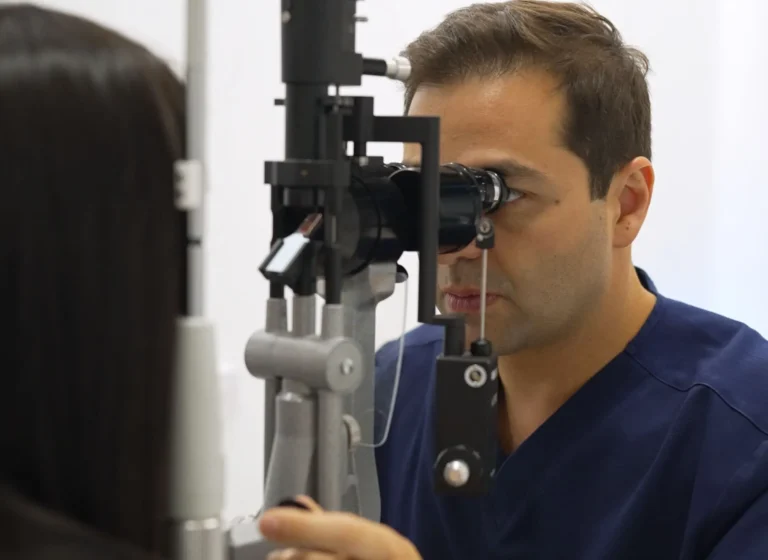
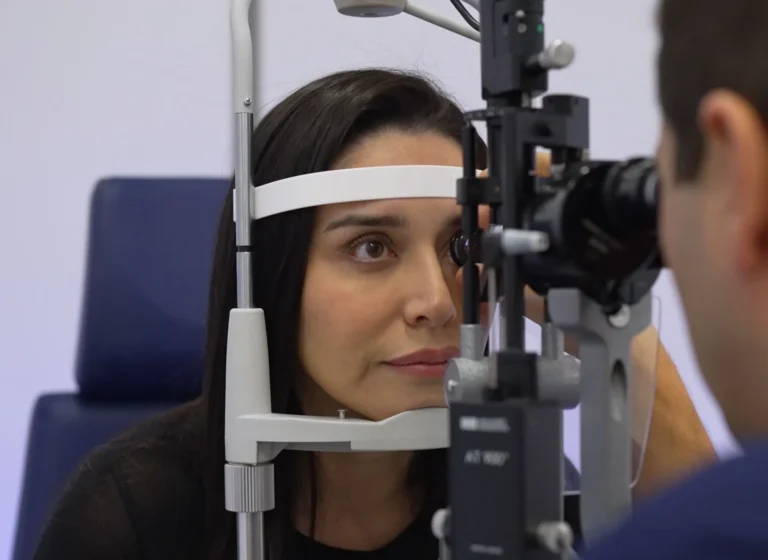
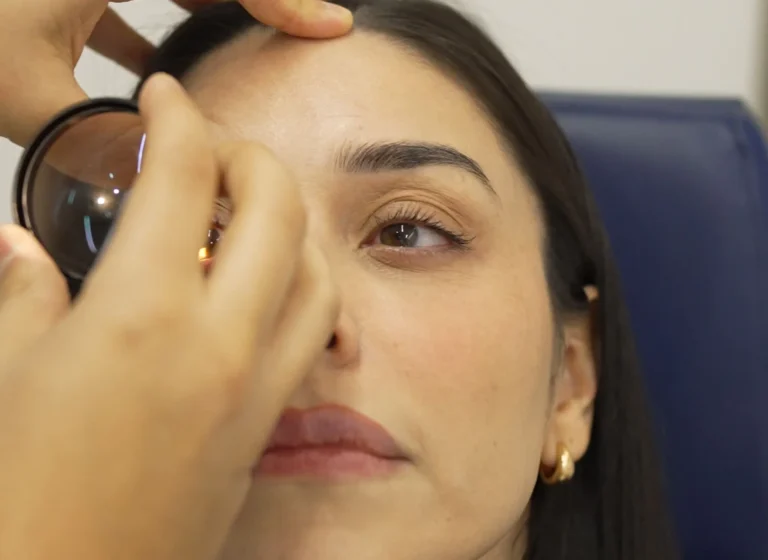
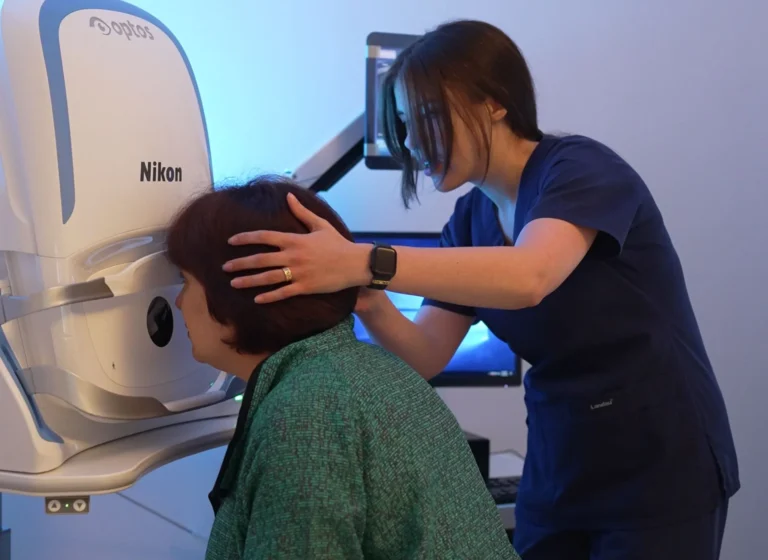
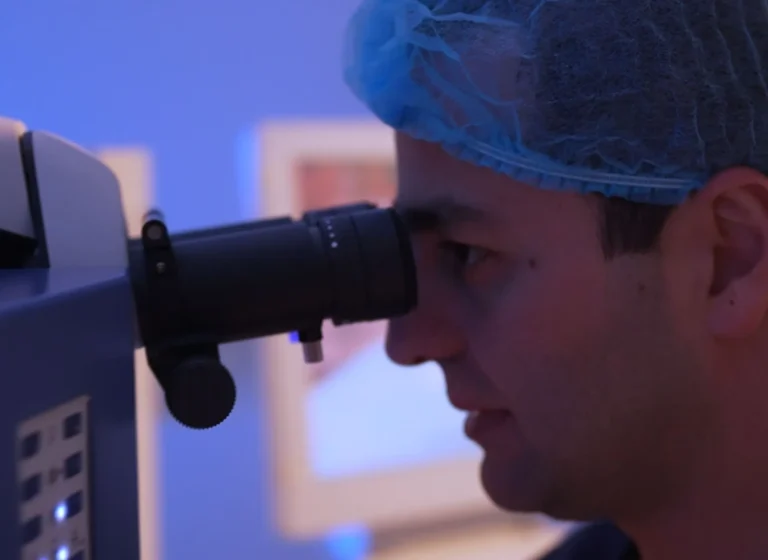
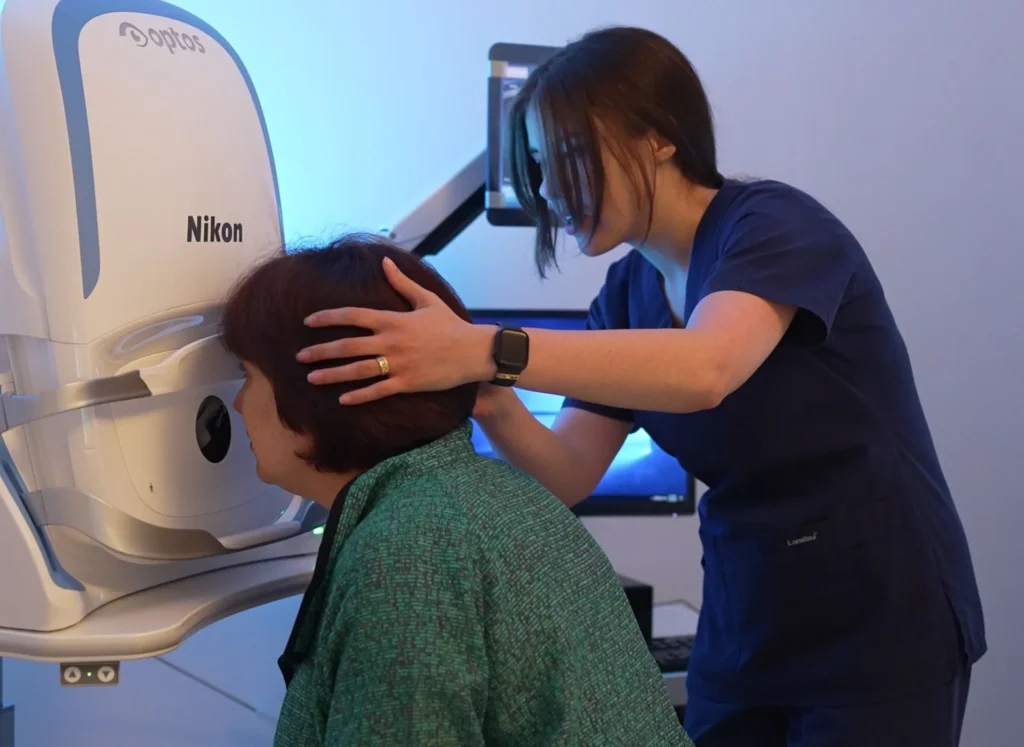
During a glaucoma monitoring visit, several tests may be performed to evaluate the health of the eye.
These may include:
- Tonometry, which measures the pressure inside the eye
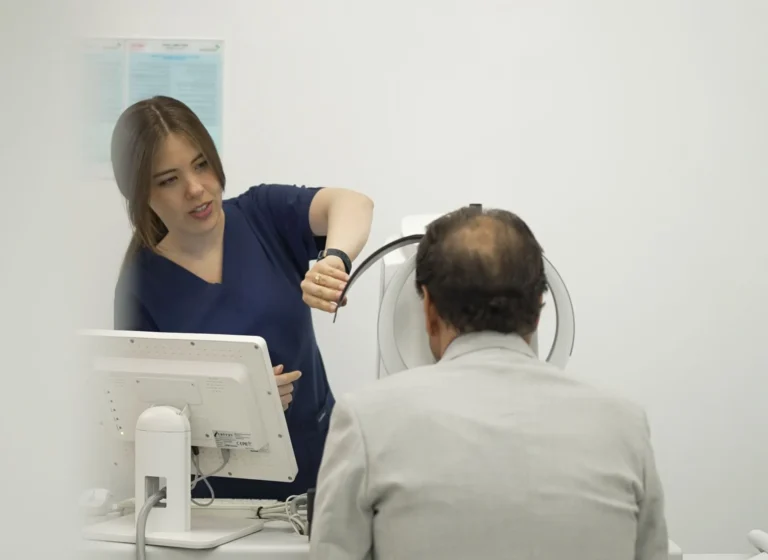
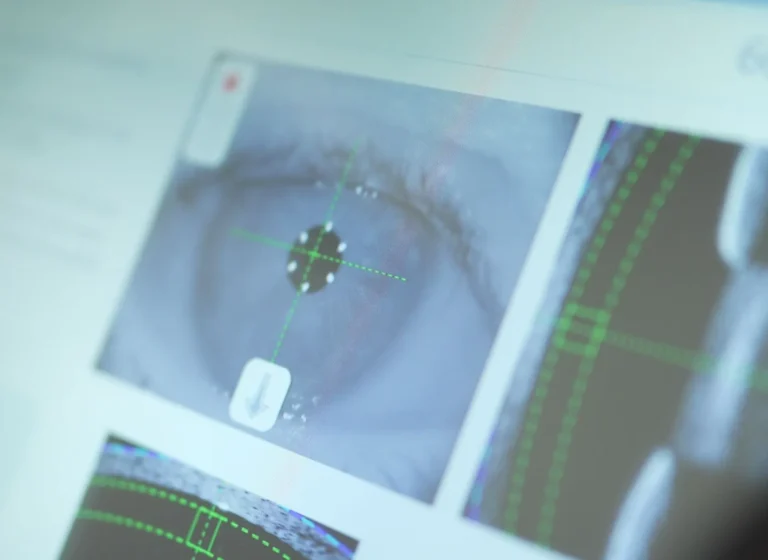
- Optical Coherence Tomography (OCT) to analyze the optic nerve and nerve fiber layer
- Visual field testing to assess peripheral vision
- Gonioscopy, which examines the drainage angle of the eye
These tests provide valuable information about whether the disease is stable or progressing.
Regular monitoring allows treatment to be adjusted when necessary. If intraocular pressure begins to rise or optic nerve changes appear, intervention can be introduced early.
For many patients, glaucoma management involves long-term follow-up over many years. Consistency is key in preserving vision.
Skipping follow-up visits can allow the disease to progress unnoticed, which is why scheduled monitoring plays such an important role in preventing glaucoma treatment from worsening.
To understand how glaucoma is evaluated in more detail, you can explore the section dedicated to glaucoma diagnostic testing.
What treatments help control glaucoma progression?
Treatment for glaucoma focuses primarily on lowering intraocular pressure, which helps reduce stress on the optic nerve.
The specific treatment recommended depends on the type and severity of glaucoma.
Several treatment options may be considered.
Medical therapy
Eye drops are often the first step in glaucoma treatment. These medications help reduce eye pressure either by decreasing fluid production inside the eye or by improving fluid drainage.
Patients must use these medications consistently as prescribed. Skipping doses may allow pressure to rise and increase the risk of optic nerve damage.
Laser treatment
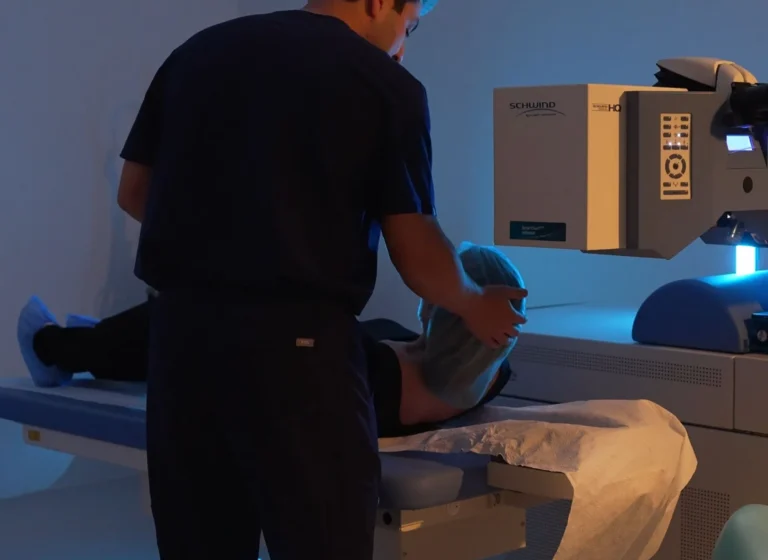
Certain laser procedures can help improve fluid drainage within the eye. One commonly used option is Selective Laser Trabeculoplasty (SLT).
Laser treatments may be recommended when medications are not sufficient or when patients have difficulty maintaining long-term drop therapy.
Minimally invasive glaucoma surgery
In some cases, small implants or surgical techniques may be used to improve fluid outflow and control eye pressure.
These procedures aim to reduce pressure while minimizing disruption to the eye.
The choice of treatment depends on multiple factors, including the stage of glaucoma treatment and the structure of the eye. The goal is always to protect the optic nerve and preserve remaining vision.
If you would like to explore treatment options in greater detail, you can read more about glaucoma treatment approaches.
Can lifestyle habits influence glaucoma progression?
While medical treatment is the cornerstone of glaucoma management, certain lifestyle factors may also contribute to maintaining overall eye health.
Patients often ask whether lifestyle changes alone can stop glaucoma progression. The answer is no. Professional treatment and monitoring remain essential, and lifestyle adjustments should be viewed as supportive measures rather than replacements for medical care.
Some general habits that may support eye health include:
- Maintaining regular medical check-ups
- Managing systemic conditions such as diabetes or high blood pressure
- Following treatment instructions carefully
- Avoiding habits that may negatively affect circulation or overall health
Physical activity, balanced nutrition, and adequate sleep contribute to overall well-being, which indirectly supports eye health.
However, it is important to avoid misleading advice suggesting that glaucoma treatment can be cured through home remedies or supplements alone. There is currently no substitute for professional medical treatment in managing this condition.
Patients should always consult their ophthalmologist before making changes to their treatment plan.
If you want to understand how lifestyle factors interact with glaucoma management, you can explore the section dedicated to long-term glaucoma care.
Why is early diagnosis important for preventing glaucoma from worsening?
Early diagnosis plays a crucial role in protecting vision.
Because glaucoma treatment can progress silently, many patients only discover the condition during routine eye examinations. By the time symptoms appear, optic nerve damage may already be advanced.
Detecting glaucoma early allows treatment to begin before significant vision loss occurs.
Patients at higher risk should be particularly attentive to regular eye examinations. Risk factors may include:
- Family history of glaucoma
- Age over 40 or 50
- High intraocular pressure
- Certain medical conditions affecting circulation
When glaucoma is diagnosed early, treatment can often maintain stable vision for many years.
Regular monitoring also allows ophthalmologists to track changes over time and adjust therapy when needed.
The earlier glaucoma treatment is detected, the more opportunities there are to slow progression and preserve visual function.
If you would like to learn more about screening and early detection, you can explore the section dedicated to glaucoma evaluation.
What warning signs might suggest glaucoma is worsening?
Glaucoma often progresses without obvious symptoms, especially in the early and moderate stages. However, there are certain changes that may indicate the condition is advancing.
Patients should seek medical evaluation if they notice symptoms such as:
- Gradual narrowing of peripheral vision
- Difficulty seeing objects to the side
- Increased sensitivity to light
- Blurred vision in advanced stages
It is important to remember that symptoms may appear only after significant damage has occurred. This is why relying on symptoms alone is not sufficient for monitoring glaucoma treatment.
Diagnostic tests performed during regular eye examinations remain the most reliable way to detect progression.
If changes are detected, treatment may be adjusted to improve pressure control and protect the optic nerve.
Patients should never delay evaluation if they suspect changes in their vision.
For more information about glaucoma symptoms and progression, you can explore the section dedicated to glaucoma monitoring and follow-up care.
Why is long-term follow-up essential for glaucoma management?
Glaucoma is a chronic condition that requires ongoing monitoring throughout life.
Even when intraocular pressure is controlled and vision appears stable, regular follow-up visits remain essential.
During these visits, ophthalmologists evaluate:
- Eye pressure levels
- Optic nerve health
- Visual field performance
- Response to current treatment
Because glaucoma treatment can change slowly over time, adjustments to treatment may occasionally be necessary.
Long-term monitoring helps ensure that therapy continues to protect the optic nerve as effectively as possible.
Patients who remain consistent with follow-up visits often have better outcomes because any progression can be detected and addressed promptly.
Protecting vision in glaucoma is a long-term partnership between patient and physician.
If you would like to learn more about glaucoma care and monitoring strategies, you can explore the section dedicated to glaucoma management.
Conclusion: how to prevent glaucoma from worsening
Understanding how to prevent glaucoma from worsening begins with recognizing the importance of early diagnosis, consistent monitoring, and appropriate treatment.
Although glaucoma cannot always be reversed, modern ophthalmology offers effective ways to slow its progression and protect the optic nerve. Regular examinations, adherence to treatment, and careful follow-up play a central role in preserving vision.
Each patient’s situation is unique, and management must be tailored to the specific characteristics of the eye. A personalized approach allows treatment to adapt over time as needed.
I evaluate and manage glaucoma at Emirates Hospital Day Surgery & Medical Center in Dubai Motor City and at Harley Street Medical Center in Abu Dhabi, where I assess optic nerve health, monitor eye pressure, and determine the most appropriate strategies to protect vision.
If you have concerns about glaucoma treatment or would like to better understand your eye health, scheduling an examination can provide the information needed to guide the next steps in protecting your vision.
Dr. Hassan A. Aziz – Discover more about me
Dubai
Emirates Hospital Day Surgery & Medical Center in Dubai Motor City
Al Hebiah First – Dubai Motor City – Dubai – UAE
Abu Dhabi
Harley Street Medical Center
F8F9+RCW – Villa No. A21 – Al Kasir – Al Marina – Abu Dhabi – UAE