Who Should Not Have Laser Eye Surgery
Laser vision correction has helped many people reduce their dependence on glasses or contact lenses. However, an important question patients often ask during a consultation is who should not have laser eye surgery.
Although procedures such as LASIK and PRK are widely performed and considered safe when patients are carefully selected, not everyone is a suitable candidate. The safety and effectiveness of laser vision correction depend heavily on the structure of the eye, the stability of the patient’s vision, and overall ocular health.
Before recommending laser eye surgery, I always perform a comprehensive evaluation to determine whether the treatment is appropriate. In some cases, the safest decision is not to perform laser surgery, even if the patient is interested in it.
This careful selection process protects the long-term health of the eye and helps avoid complications that could arise if the procedure were performed in unsuitable conditions.
In this article, I will explain which patients may not be ideal candidates for laser eye surgery, why certain eye conditions make the procedure less suitable, and what alternative vision correction options may be considered instead.
What factors determine whether someone is a candidate for laser eye surgery?
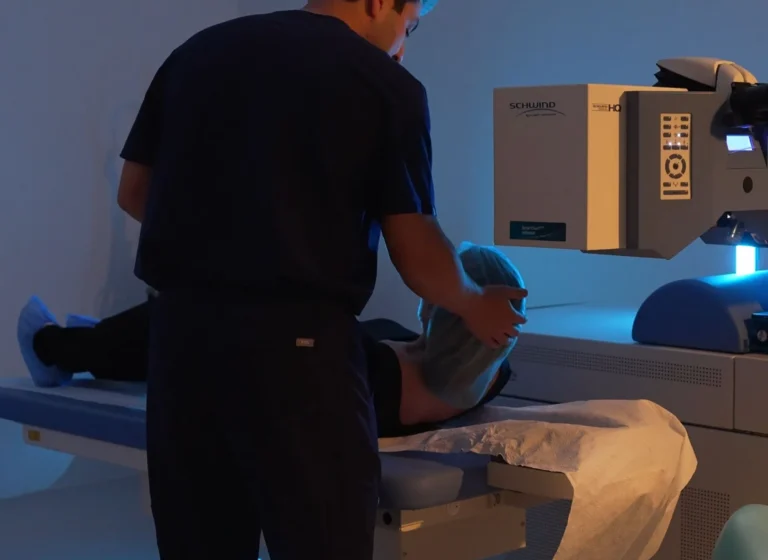
Laser eye surgery works by reshaping the cornea, the transparent front surface of the eye that helps focus light onto the retina.
For the procedure to be safe and effective, the cornea must have certain structural characteristics. It must be thick enough, stable in shape, and free from certain diseases or irregularities.
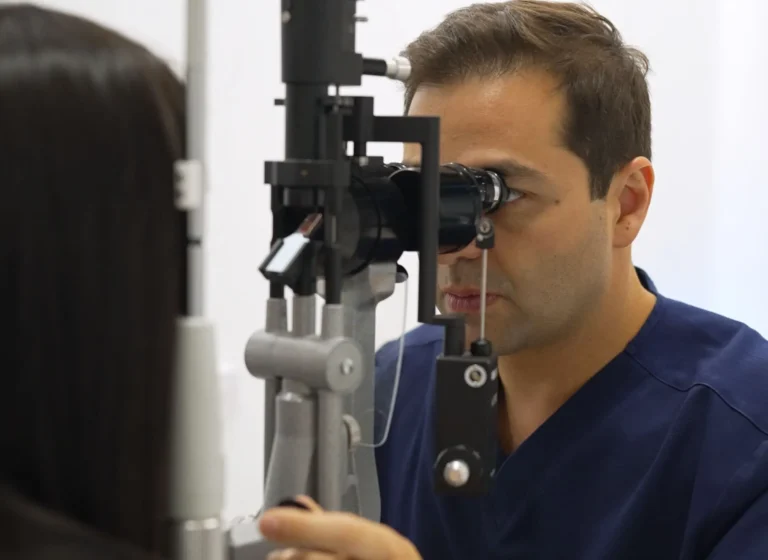
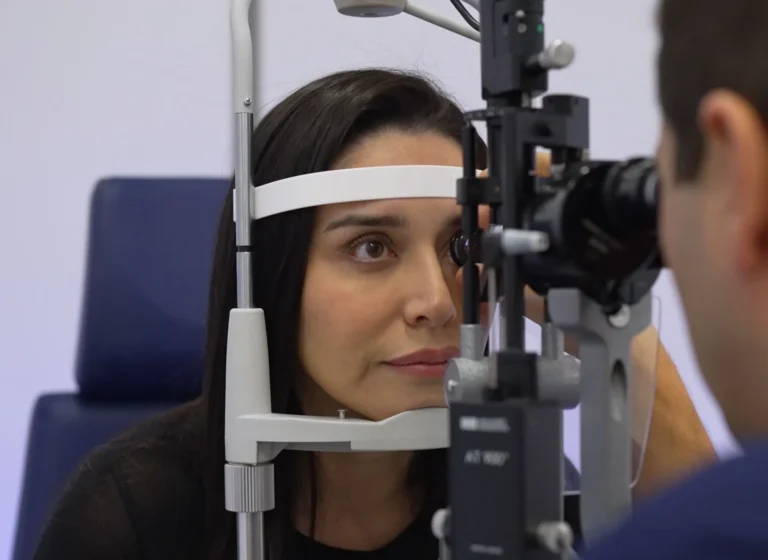
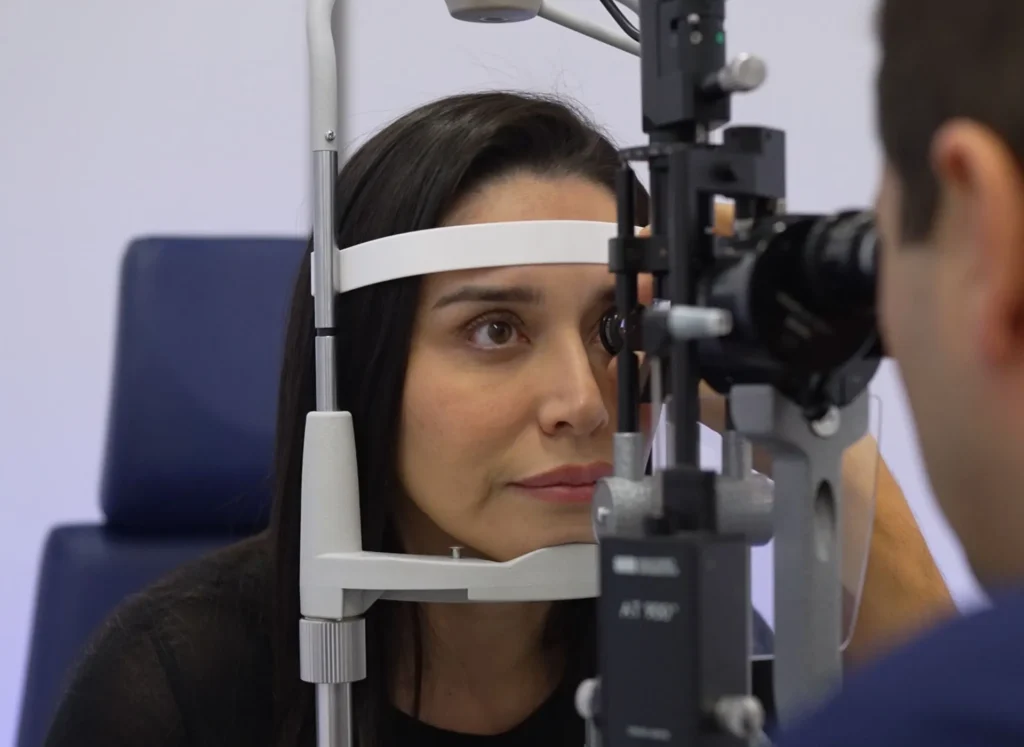
During the evaluation process, several tests are performed to assess whether the eye meets these criteria.
These tests typically include:
- Corneal topography, which maps the shape of the cornea
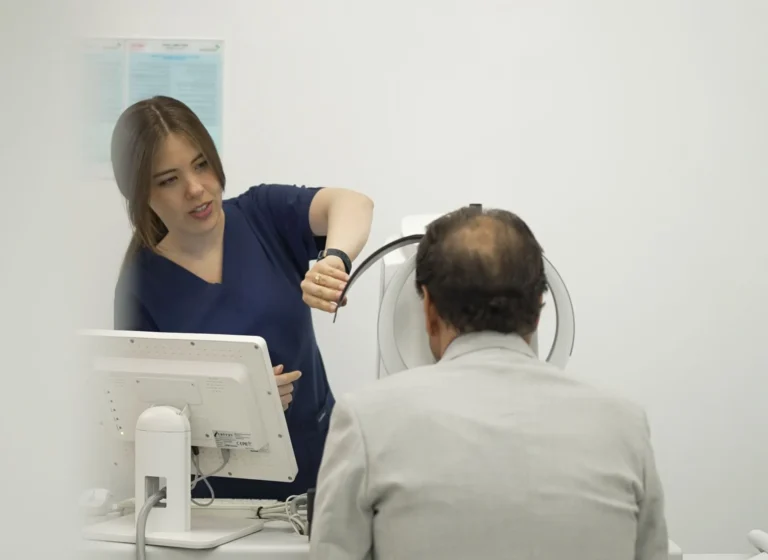
- Corneal tomography, which evaluates deeper corneal structure
- Pachymetry, which measures corneal thickness
- Refraction testing, which determines the visual prescription
- Tear film assessment, which evaluates eye surface health
These measurements help identify whether the cornea can safely undergo reshaping.
In addition to corneal structure, other factors are also considered when determining candidacy:
- Age and stability of vision
- Presence of certain eye diseases
- Overall eye health
- Realistic expectations about results
A careful evaluation helps ensure that laser vision correction is recommended only when it is appropriate for the patient’s eyes.
If you would like to understand more about how eligibility is determined, you can explore the section dedicated to laser vision correction evaluation.
Why might people with thin corneas not be suitable for laser eye surgery?
One of the most important factors in determining eligibility for laser eye surgery is corneal thickness.
During LASIK or PRK procedures, the laser removes microscopic layers of corneal tissue to reshape the surface. If the cornea is too thin, removing additional tissue could compromise the structural stability of the eye.
A thin cornea increases the risk of developing corneal instability, which may lead to progressive changes in corneal shape and vision.
For this reason, measuring corneal thickness is a critical part of the preoperative evaluation.
If diagnostic imaging shows that the cornea is thinner than recommended for safe treatment, laser surgery may not be advised.
In these situations, alternative vision correction options may be considered instead. These alternatives may provide visual improvement without requiring corneal reshaping.
The goal of refractive surgery evaluation is always to protect the long-term integrity of the cornea while improving visual function when possible.
If you would like to learn more about corneal evaluation in refractive surgery, you can explore the section dedicated to corneal diagnostic imaging.
Can keratoconus prevent someone from having laser eye surgery?
Yes, keratoconus is one of the conditions that may prevent a patient from undergoing laser eye surgery.
Keratoconus is a disorder in which the cornea gradually becomes thinner and develops an irregular cone-like shape. Because laser vision correction reshapes the cornea, performing the procedure on an already weakened cornea can increase the risk of further instability.
For this reason, patients with keratoconus or with early signs of corneal weakening are typically not candidates for LASIK or PRK.
Modern diagnostic tools such as corneal tomography help detect subtle changes in corneal structure that may indicate early keratoconus.
Even when vision problems appear mild, these structural findings can influence the safety of laser surgery.
When keratoconus is present, treatment focuses on stabilizing the cornea and managing visual distortion rather than reshaping the cornea with laser procedures.
Early diagnosis and monitoring are essential for protecting vision in patients with this condition.
If you would like to learn more about keratoconus and its management, you can explore the section dedicated to keratoconus evaluation and treatment.
Why is unstable vision a reason to delay laser eye surgery?
Another important factor in determining eligibility for laser eye surgery is stability of the visual prescription.
Before performing refractive surgery, ophthalmologists want to ensure that the patient’s vision has remained stable for a certain period of time.
If the prescription is still changing, performing laser correction may result in an incomplete or temporary improvement because the underlying refractive error could continue evolving.
Unstable prescriptions may occur in several situations, including:
- Young patients whose vision is still changing
- Individuals with progressive myopia
- Certain systemic or ocular conditions affecting refraction
When vision instability is detected, the safest approach is often to wait until the prescription stabilizes before considering surgery.
This approach helps ensure that the results of laser vision correction remain stable over time.
If you would like to understand how refractive stability is evaluated, you can explore the section dedicated to refractive surgery candidacy assessment.
Can certain eye conditions make laser eye surgery unsuitable?
Yes, several eye conditions may make laser vision correction less suitable or require careful evaluation before proceeding.
Some of the most common conditions that may influence candidacy include:
- Severe dry eye syndrome
- Corneal scarring
- Active eye infections or inflammation
- Certain retinal diseases
For example, severe dry eye can interfere with healing after laser surgery and may worsen symptoms after the procedure.
In these cases, it may be necessary to first treat the underlying eye surface condition before considering refractive surgery.
Similarly, corneal scars or irregularities may affect how the laser interacts with the corneal tissue.
A comprehensive ophthalmologic examination helps identify these factors and determine whether laser surgery is appropriate.
In some situations, alternative vision correction options may offer safer outcomes.
If you would like to learn more about ocular health evaluation before surgery, you can explore the section dedicated to preoperative eye examination.
What role does age play in laser eye surgery eligibility?
Age can influence candidacy for laser vision correction, although it is not the only determining factor.
Most patients considered for LASIK or PRK are adults whose vision has stabilized. Younger individuals whose prescriptions are still changing may be advised to wait until their vision becomes stable.
At the other end of the spectrum, older patients may experience age-related changes in the eye that influence treatment planning.
For example, presbyopia, which affects near vision as people age, may require different strategies for vision correction.
In addition, the presence of conditions such as cataracts may influence the choice of treatment.
Rather than focusing solely on age, the most important factor is the overall health and structure of the eye.
A detailed evaluation helps determine which treatment option best fits the patient’s visual needs and eye characteristics.
If you would like to explore vision correction options for different age groups, you can learn more in the section dedicated to refractive surgery options.
Are there alternatives for patients who cannot have laser eye surgery?
Patients who are not suitable candidates for laser vision correction still have several options available to improve vision.
Alternative treatments may include procedures that do not require reshaping the cornea with a laser.
Some possible alternatives include:
- Implantable lenses placed inside the eye
- Lens replacement procedures in certain cases
- Advanced contact lens solutions designed for irregular corneas
The best option depends on the patient’s visual needs, eye anatomy, and overall eye health.
The goal of refractive evaluation is not simply to determine whether laser surgery can be performed, but to identify the safest and most effective approach for each individual patient.
If you would like to explore alternatives to laser vision correction, you can learn more in the section dedicated to refractive surgery solutions.
Conclusion: who should not have laser eye surgery
Understanding who should not have laser eye surgery is an essential part of making informed decisions about vision correction.
Although LASIK and PRK can provide significant visual improvement for many patients, these procedures are not suitable for everyone. Factors such as corneal thickness, corneal structure, vision stability, and overall eye health must be carefully evaluated before treatment is considered.
A comprehensive ophthalmologic examination helps determine whether laser surgery is appropriate or whether alternative options may offer safer outcomes.
I evaluate patients considering refractive procedures at Emirates Hospital Day Surgery & Medical Center in Dubai Motor City and at Harley Street Medical Center in Abu Dhabi, where I assess the health of the eye and discuss the most appropriate options for improving vision.
Scheduling an ophthalmologic evaluation allows you to receive personalized guidance and determine whether laser vision correction or another treatment may be the best approach for your eyes.
Dr. Hassan A. Aziz – Discover more about me
Dubai
Emirates Hospital Day Surgery & Medical Center in Dubai Motor City
Al Hebiah First – Dubai Motor City – Dubai – UAE
Abu Dhabi
Harley Street Medical Center
F8F9+RCW – Villa No. A21 – Al Kasir – Al Marina – Abu Dhabi – UAE