Is Laser Eye Surgery Safe
Many people who are considering vision correction ask the same question: is laser eye surgery safe? It is a natural concern. Your eyes are delicate and essential to daily life, and deciding whether to undergo a surgical procedure requires careful information and professional guidance.
Laser vision correction has been used for decades to help reduce dependence on glasses or contact lenses. Today, modern technologies and refined techniques allow eye surgeons to perform procedures with precision and efficiency. Still, safety depends on many factors, including proper patient selection, thorough examinations, and the experience of the surgeon performing the procedure.
When someone visits me for laser vision correction in Dubai or Abu Dhabi, the first step is always a detailed evaluation. Careful testing allows me to understand whether laser treatment is appropriate for the patient’s eyes or whether another option would be safer. In some situations, laser surgery may not be recommended at all. Honest evaluation is a crucial part of protecting long-term eye health.
In this article, I will explain how laser eye surgery works, why it is considered safe for many patients, what the potential risks are, and how proper screening helps minimize complications. I will also discuss who may be a suitable candidate and what the recovery process typically involves.
Understanding these aspects can help you make an informed decision about your vision care.
What is laser eye surgery and how does it work?
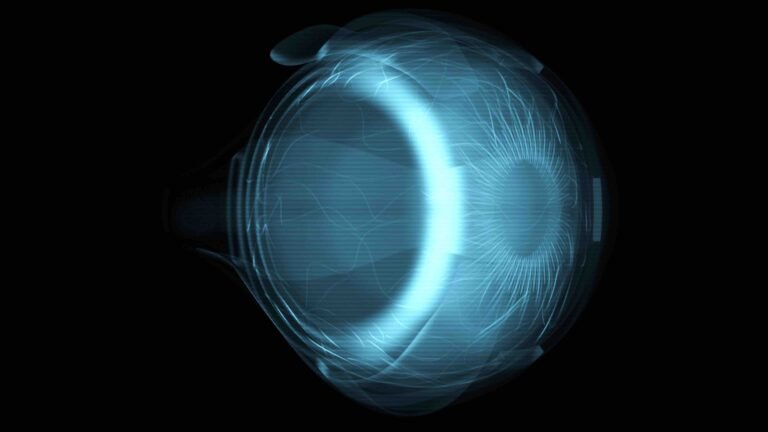
Laser eye surgery refers to a group of procedures designed to reshape the cornea, the clear front surface of the eye, so that light focuses more accurately on the retina. When light focuses correctly, vision becomes clearer and dependence on glasses or contact lenses can often be reduced.
The most common laser procedures used for vision correction include:
- LASIK
- Femto-LASIK
- PRK or Trans-PRK
Although the techniques differ slightly, the goal remains the same: improve how the eye focuses light.
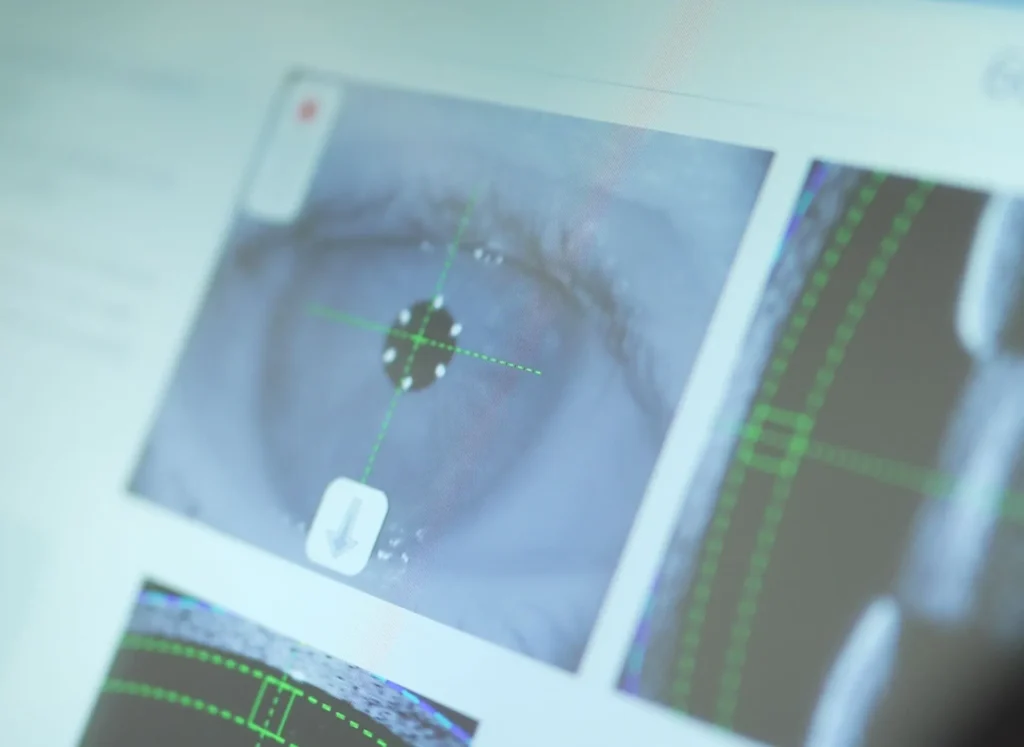
The process begins with careful measurements. Before any treatment is considered, I evaluate the eye using advanced diagnostic tools that measure:
- Corneal thickness
- Corneal shape
- Refraction and visual prescription
- Overall eye health
These tests allow me to determine whether the cornea has the right characteristics for laser treatment.
During the procedure itself, a highly precise laser removes microscopic amounts of corneal tissue. This reshaping changes how light enters the eye and helps correct conditions such as:
- Myopia (nearsightedness)
- Hyperopia (farsightedness)
- Astigmatism
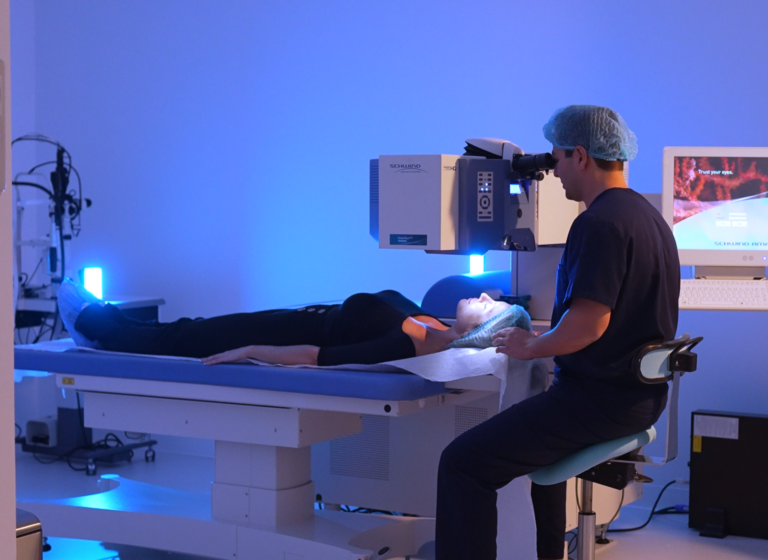
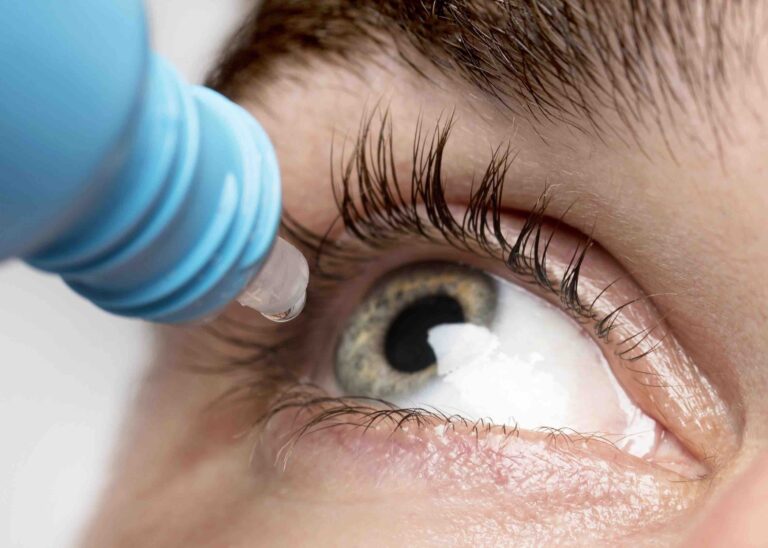
Most laser procedures are very quick, often lasting only a few minutes per eye. Numbing drops are used so the patient remains comfortable during treatment.
It is important to emphasize that laser eye surgery should never be considered a casual or cosmetic procedure performed without evaluation. Each eye is unique, and treatment must always be planned carefully by an experienced ophthalmologist.
If you would like to understand the available techniques in greater detail, you can explore the section dedicated to laser vision correction.
Why do many people ask if laser eye surgery is safe?
The question “is laser eye surgery safe?” is one of the most common concerns I hear from patients. This concern usually arises because the eyes are highly sensitive and people naturally feel protective of their vision.
There are several reasons why patients may feel uncertain.
First, laser surgery sounds highly technical. Many people imagine powerful lasers interacting with delicate eye tissues, which can understandably feel intimidating.
Second, misinformation online can create confusion. Some sources exaggerate risks, while others promise unrealistic outcomes. Balanced information is essential.
Third, patients often want reassurance that the procedure has been studied over time.
In reality, laser vision correction has been performed for many years and has undergone continuous technological improvements. Modern lasers operate with extreme precision, guided by computer systems that control the exact amount of tissue reshaped.
Safety also depends heavily on proper screening and patient selection. Not everyone is an ideal candidate, and responsible surgeons must sometimes advise against laser treatment when the eye structure is not suitable.
Some of the factors I evaluate before recommending laser surgery include:
- Stability of the patient’s prescription
- Corneal thickness and shape
- Age and general eye health
- Presence of conditions such as keratoconus or severe dry eye
If laser treatment is not appropriate, other solutions may be considered. In certain cases, procedures such as implantable lenses or refractive lens exchange may offer safer alternatives.
Understanding these considerations helps explain why the question of safety is important—and why individual assessment is always necessary.
To learn more about the evaluation process, you can explore the section dedicated to laser vision correction consultation.
How safe is laser eye surgery according to modern medical practice?
When performed on properly selected patients, laser eye surgery is widely considered a safe procedure in modern ophthalmology.
Safety in medical procedures is measured through several factors:
- Long-term clinical data
- Technological precision
- Careful surgical technique
- Appropriate patient selection
Laser vision correction has benefited from decades of research and refinement. Modern laser systems are capable of delivering extremely controlled treatments, removing microscopic layers of corneal tissue with remarkable accuracy.
However, safety does not depend on technology alone. The surgeon’s evaluation and judgment play a crucial role.
In my practice, the safety process begins long before any procedure takes place. A detailed diagnostic visit allows me to identify whether laser treatment is appropriate or whether another option would be safer.
This process often includes:
- Advanced corneal imaging
- Optical coherence tomography when needed
- Refraction testing
- Full eye health examination
These tests help detect subtle corneal irregularities that could increase risk if laser surgery were performed.
When patients meet the criteria for treatment, the procedure itself is typically straightforward and efficient. Most patients return home the same day and follow a structured recovery plan that includes eye drops and follow-up visits.
It is important to remember that safety also involves realistic expectations. Laser surgery aims to improve visual independence, but results can vary depending on each patient’s eye characteristics.
If you are considering treatment, you may wish to explore more information about laser vision correction procedures.
Can laser eye surgery cause complications?
Like any surgical procedure, laser eye surgery can involve potential risks. Although complications are uncommon when patients are carefully selected, it is important to discuss them honestly.
Some temporary effects may occur during the healing process.
These can include:
- Dry eye symptoms
- Sensitivity to light
- Temporary fluctuations in vision
- Halos or glare at night
In most cases, these symptoms improve as the eye heals over the following weeks or months.
More significant complications are rare but can occur in certain circumstances. For example, irregular corneal healing or regression of the prescription may require additional treatment or monitoring.
This is why professional evaluation is essential before considering surgery.
Patients should avoid relying on unverified advice or online tutorials suggesting home remedies or shortcuts related to vision correction. The structure of the eye is extremely delicate, and any treatment must be performed in a controlled medical environment.
Careful follow-up is also important after surgery. Post-operative visits allow me to monitor healing and address any concerns promptly.
By following a structured evaluation and recovery plan, most patients experience a smooth healing process and stable visual improvement.
To learn more about the conditions treated with laser vision correction, you can explore the dedicated section on refractive surgery.
What makes someone a good candidate for laser eye surgery?
Not every patient is suitable for laser vision correction. Determining candidacy is one of the most important steps in ensuring safety.
During the initial visit, patients first meet with the optometrist, who performs detailed screening tests before they see me for the surgical evaluation. This step helps gather precise measurements and identify potential concerns early.
Some of the general factors considered when evaluating candidacy include:
- Age (vision should be stable)
- Stable prescription for at least a period of time
- Healthy corneal structure
- Absence of active eye disease
- Realistic expectations about results
Certain conditions may make laser surgery less suitable. For example:
- Very thin corneas
- Progressive corneal diseases
- Severe dry eye
- Certain systemic health conditions affecting healing
In these situations, alternative vision correction methods may be safer.
My approach is simple: laser treatment is recommended only when it is the right option for the patient’s eyes. If testing shows that another solution would be safer, I explain the reasons clearly and discuss other possibilities.
Every eye is unique, and personalized evaluation remains the key to safe treatment.
You can explore more about eligibility criteria in the section dedicated to laser vision correction evaluation.
What should patients expect during recovery after laser eye surgery?
Recovery after laser vision correction is usually relatively quick, although healing varies from patient to patient.
Immediately after the procedure, vision may appear slightly blurry or hazy. This is normal and improves gradually as the cornea stabilizes.
Patients typically return home shortly after treatment and follow specific post-operative instructions.
These instructions often include:
- Using prescribed eye drops
- Avoiding rubbing the eyes
- Limiting exposure to dust or water during early healing
- Wearing protective shields when recommended
Many people notice visual improvement within the first day or two, especially after LASIK procedures. PRK treatments may involve a slightly longer recovery period because the outer layer of the cornea must regenerate.
Follow-up visits are essential during this stage. These visits allow me to evaluate how the eye is healing and confirm that recovery is progressing normally.
Patients are often able to resume many daily activities within a short time, although each case must be evaluated individually.
If you are interested in learning more about recovery timelines and expectations, you can explore the section dedicated to laser vision correction procedures.
Why is professional evaluation essential before laser eye surgery?
The most important factor in answering the question “is laser eye surgery safe?” is the quality of the evaluation performed before treatment.
Comprehensive testing helps determine whether the cornea is suitable for reshaping and whether the patient’s eyes can safely undergo the procedure.
A thorough evaluation typically includes:
- Detailed corneal mapping
- Measurement of corneal thickness
- Visual acuity testing
- Review of medical and ocular history
These steps help identify subtle issues that might not be obvious during a basic eye exam.
For example, certain corneal conditions may not produce symptoms in early stages but could increase risk if laser surgery were performed. Advanced imaging allows these conditions to be detected before treatment is considered.
In my clinics in Dubai and Abu Dhabi, the first visit begins with screening performed by the optometrist, followed by a detailed consultation where I review the results and discuss whether laser correction is appropriate.
This careful approach allows patients to receive clear guidance and realistic expectations, helping ensure that treatment decisions prioritize long-term eye health.
To understand the full process, you may explore the section dedicated to laser vision correction consultation.
Conclusion: is laser eye surgery safe?
So, is laser eye surgery safe? For many patients, the answer is yes—when the procedure is performed after careful evaluation, with appropriate technology, and under the guidance of an experienced ophthalmologist.
Modern laser systems allow extremely precise treatments, and decades of clinical experience have refined the techniques used today. However, safety always depends on selecting the right candidates and following a structured treatment plan.
Every patient’s eyes are different. Some individuals are excellent candidates for laser vision correction, while others may benefit from alternative solutions. Honest assessment and clear communication are essential in making the right decision.
If you are considering laser vision correction and would like to understand whether it may be appropriate for your eyes, a comprehensive evaluation is the best place to start.
I see patients at Emirates Hospital Day Surgery & Medical Center in Dubai Motor City and at Harley Street Medical Center in Abu Dhabi, where I assess vision, review diagnostic tests, and discuss the safest options for each individual case.
Booking an appointment allows you to receive clear information and personalized guidance about your vision care.
Dr. Hassan A. Aziz – Discover more about me
Dubai
Emirates Hospital Day Surgery & Medical Center in Dubai Motor City
Al Hebiah First – Dubai Motor City – Dubai – UAE
Abu Dhabi
Harley Street Medical Center
F8F9+RCW – Villa No. A21 – Al Kasir – Al Marina – Abu Dhabi – UAE